Master Essential Housekeeping Tricks for Spotless Homes: Professional Cleaning Tips and Time-Saving Routines
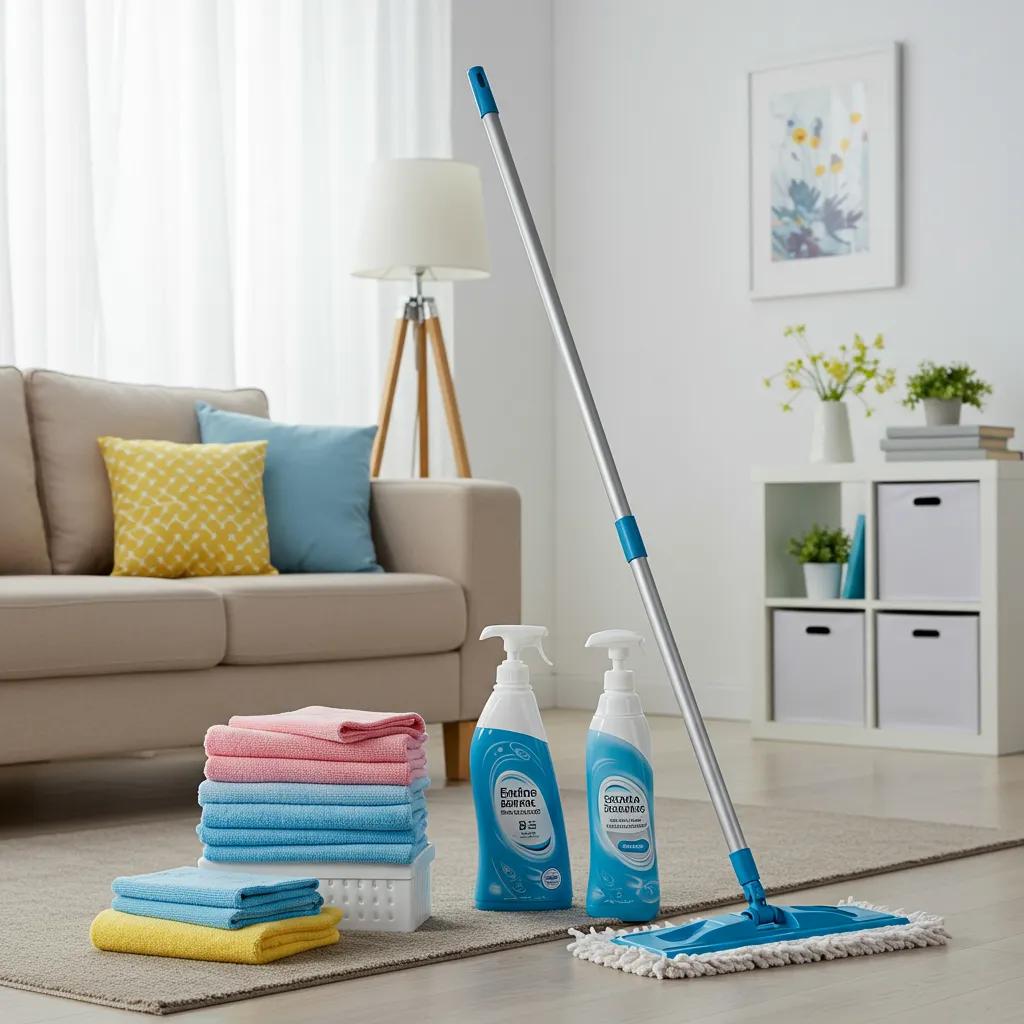
Achieving a truly spotless home demands more than occasional wiping—it requires a systematic approach that combines efficient strategies, essential tools, and consistent routines. With residential cleaning demand growing by nearly 10 percent annually and dual-income households increasingly seeking professional support, mastering essential housekeeping tricks for effective cleaning empowers homeowners to maintain pristine environments. In this guide, you’ll discover proven cleaning strategies, time-saving daily and weekly routines, deep cleaning hacks for every room, eco-friendly recipes, professional techniques, specialized guides for diverse audiences, and tips for year-round maintenance. Each section blends practical DIY methods with insights into how M2 Cleaning Services’ meticulous attention to detail and deep cleaning expertise can take your home from ordinary to immaculate—all without disrupting your busy schedule.
What Are the Most Effective Home Cleaning Strategies for a Spotless House?
A spotless home starts with targeted strategies that define tasks, streamline effort, and deliver consistent results. Effective home cleaning strategies improve efficiency by dividing chores into categories—surface cleaning, high-traffic areas, and deep-clean zones—so that each area receives the right treatment at the right time. For example, adopting a systematic approach such as the top-down method ensures dirt and dust never resettle on freshly cleaned surfaces. Pairing that workflow with essential tools like microfiber cloths and multipurpose cleaners guarantees both speed and quality. Finally, prepping each room through decluttering removes obstacles, reducing time spent moving items and preventing missed spots during vacuuming or mopping.
How Does the Top-Down Cleaning Method Improve Efficiency?
The top-down cleaning method tackles dirt by starting at the highest points—ceiling fans, shelves, and light fixtures—and moving downward to floors, ensuring that falling dust is captured later rather than redistributing contaminants. This technique streamlines cleaning flow, reducing the need for repeated passes and cutting total cleaning time by up to 25 percent. Professionals use this gravity-aligned pattern in every room, which also highlights overlooked areas like crown molding and upper cabinets. Adopting top-down cleaning in your routine yields streak-free surfaces and clearer floors, setting the stage for faster vacuuming or mopping in the final step.
Which Essential Cleaning Tools Should Every Homeowner Use?
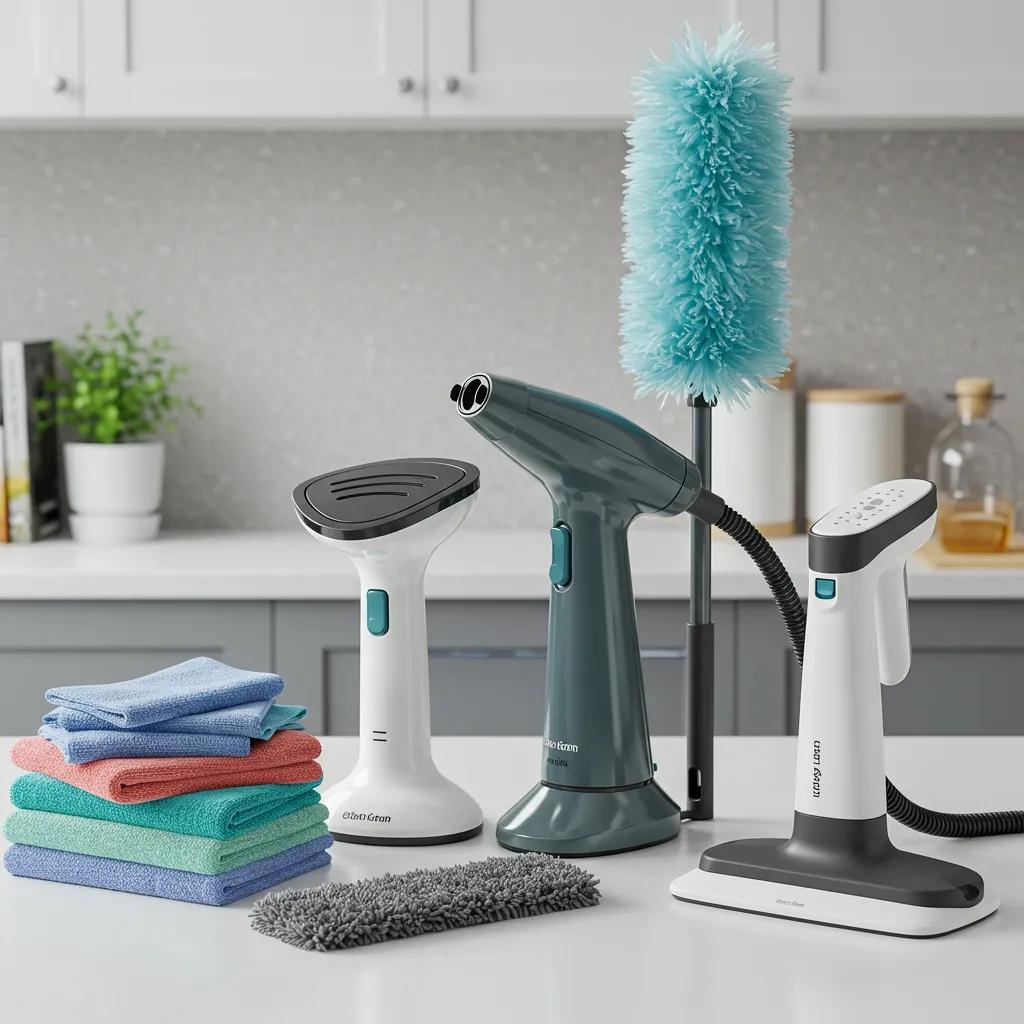
Essential cleaning tools combine durable materials with ergonomic design to trap debris, reduce chemical usage, and provide streak-free finishes. Homeowners should equip themselves with high-quality microfiber cloths for dusting, adjustable-head mops for smooth floors, and steam cleaners for sanitization without harsh chemicals. These tools expedite common chores and enhance hygiene by removing up to 99 percent of bacteria when used correctly. Below is a comparison of indispensable instruments that elevate basic housekeeping to professional standards:
| Tool Name | Primary Application | Key Benefit |
|---|---|---|
| Microfiber Cloths | Dusting & Polishing | Traps fine particles without lint |
| Steam Cleaner | Hard Surface Sanitizing | Eliminates bacteria and mold |
| Extendable Duster | High-Reach Dust Removal | Reaches corners and ceilings safely |
| Multi-Surface Mop | Floors & Walls | Cleans uneven surfaces seamlessly |
Why Is Decluttering Important Before Cleaning?
Decluttering establishes a clear workspace by removing items that obstruct cleaning motions and harbor dust, crumbs, or pet hair. By sorting belongings into keep, donate, and discard groups, you streamline surface access and minimize distractions during chores. Clearing countertops, tables, and floors also prevents tools from snagging on obstacles, which can otherwise prolong tasks and reduce overall efficiency. A decluttered room reveals hidden messes—spills under furniture or dust behind appliances—that might be missed in a cluttered environment. Starting with decluttering paves the way for deeper cleaning methods and supports a sustained habit of maintaining control over household chaos.
How Can Time-Saving Cleaning Routines Help Busy Families and Professionals?
Time-saving cleaning routines break down household maintenance into concise, manageable segments that integrate smoothly into hectic schedules. These routines leverage consistent habits to prevent dirt accumulation, reduce mental load, and maintain a welcoming atmosphere without dedicating large blocks of time. For example, implementing a daily 15-minute sprint keeps surfaces tidy, while a weekly checklist ensures deeper tasks aren’t overlooked. Monthly deep cleaning sessions address stubborn grime before it becomes overwhelming. By structuring tasks by frequency—daily, weekly, monthly—busy families and professionals reclaim free time and enjoy lasting cleanliness benefits.
What Is a Simple Daily 15-Minute Cleaning Routine?
A daily 15-minute cleaning routine focuses on key high-impact tasks that prevent clutter and surface dirt from building up. Begin by clearing and wiping kitchen counters, then move to straightening living areas and quickly dusting visible surfaces. Next, spot-vacuum high-traffic zones and tidy bathroom sinks and fixtures. Completing these steps in short bursts leverages consistency to maintain a baseline level of cleanliness that removes the need for marathon cleaning sessions later. This routine’s brevity enhances compliance and makes a spotless home achievable even on the busiest mornings or evenings.
How to Create a Weekly Cleaning Checklist for Consistency?
- Clean and disinfect bathroom fixtures and grout.
- Wipe down kitchen appliances, cabinet exteriors, and countertops.
- Vacuum and mop living spaces and hallways.
- Dust furniture, shelves, and electronics.
- Launder bed linens and replace towels.
Which Monthly Deep Cleaning Tasks Are Essential for Homeowners?
Monthly deep cleaning tasks target hidden or accumulated grime that escapes daily and weekly routines. These sessions should include oven interior scrubbing, refrigerator coil vacuuming, air vent and filter cleaning, and descaling showerheads. Addressing these zones disrupts bacterial growth, improves appliance efficiency, and extends the lifespan of home systems. Professionals recommend scheduling deep cleaning on the first weekend of each month to ensure it becomes a regular priority rather than an afterthought. Consistent monthly maintenance prevents major restorations and supports a perpetually spotless environment.
What Are the Best Deep Cleaning Hacks for Every Room in Your Home?
Deep cleaning hacks apply specialized methods, supplies, and timing strategies to dismantle buildup, disinfect surfaces, and restore rooms to near-pristine condition. Whether tackling grease in the kitchen or soap scum in the bathroom, targeted approaches accelerate results and reduce elbow grease. Incorporating dwell times for cleaning solutions, using steam for sanitization, and rotating tasks by room and material type prevents overwhelm and delivers uniform outcomes. Below, explore room-specific deep cleaning techniques that combine best-in-class professional methods with DIY accessibility.
How Do You Deep Clean Your Kitchen for Maximum Hygiene?
Deep kitchen cleaning involves removing grease and bacteria from ovens, dishwashers, and countertops through sequential steps that target every surface. First, apply a baking soda paste to oven interiors, let it sit for 20 minutes, then scrub and wipe clean. Next, run an empty dishwasher cycle with vinegar to dissolve limescale and eliminate odors. Finally, sanitize countertops and sinks with a solution of water and natural disinfectant, ensuring food-prep areas remain hygienic. This systematic routine disrupts grime buildup and prevents cross-contamination between food zones and appliances.
What Are Effective Bathroom Sanitization Tricks?
Bathroom sanitization combines grout cleaning, fixture polishing, and mold prevention to maintain health-safe spaces. Apply a vinegar and baking soda mixture to grout lines, allow it to fizz for 10 minutes, then scrub with a stiff brush. Polish faucets and shower heads with a lemon-infused cloth to remove mineral deposits. To prevent mold, ventilate thoroughly and spray a diluted hydrogen peroxide solution on caulking weekly. These targeted actions eradicate bacteria and mildew while preserving tile and fixture integrity.
How to Dust and Organize Bedrooms for a Healthier Space?
Dust and air quality directly impact bedroom comfort and overall well-being. Start by removing linens and laundering them at high heat to kill dust mites. Use a microfiber cloth on headboards, window sills, and baseboards to capture allergens without dispersing particles. Organize closets by decluttering seasonal items and placing remaining pieces in labeled storage bins. Introducing air-purifying houseplants further filters the environment. This combination of dust removal and organization fosters restful sleep and reduces allergy triggers.
What Are the Best Living Room Refresh Techniques?
Refreshing a living room requires targeting upholstery, electronics, and decorative surfaces with both mechanical and chemical methods. Vacuum sofa cushions and under-seat crevices with a brush attachment to extract dirt and debris. Wipe television screens and remote controls with a gentle electronics cleaner to eliminate fingerprints and germs. Rotate and fluff throw pillows to distribute wear evenly and maintain visual appeal. Completing these steps revitalizes communal spaces and sustains an inviting atmosphere between deep-clean intervals.
Which Eco-Friendly and Natural Cleaning Solutions Deliver Spotless Results?

Eco-friendly cleaning harnesses safe, plant-based ingredients and zero-waste practices that protect health without sacrificing effectiveness. Natural cleaning solutions like baking soda and vinegar remove stains and odors through chemical reactions that break down grime. Non-toxic products reduce indoor air pollution and align with broader sustainability goals, appealing to eco-conscious households. Below is a comparison of common green supplies and their primary advantages:
| Ingredient | Main Function | Sustainable Benefit |
|---|---|---|
| Baking Soda | Mild abrasive | Biodegradable and non-toxic |
| White Vinegar | Natural disinfectant | Readily available and chemical-free |
| Castile Soap | Multi-surface cleaner | Derived from plant oils |
| Essential Oils | Fragrance & antiseptic | Low environmental impact |
How to Make DIY Green Cleaning Recipes Using Baking Soda and Vinegar?
DIY green cleaning recipes combine common pantry staples to craft powerful, non-toxic solutions. For an all-purpose cleaner, mix one cup of water with half a cup of vinegar and a teaspoon of liquid castile soap, then add a few drops of lemon essential oil. This solution removes grease, disinfects surfaces, and leaves a fresh scent without harsh residues. For grout and tile, sprinkle baking soda on joints, spray with undiluted vinegar, let fizz, then scrub. These recipes exploit simple chemical reactions to tackle dirt while eliminating synthetic additives.
What Are the Best Non-Toxic Cleaning Products for Your Home?
Non-toxic cleaning products maintain spotless results through plant-derived surfactants and biodegradable formulas that minimize indoor pollutants. Look for brands that certify cruelty-free, use recycled packaging, and disclose all ingredients. Powdered oxygen bleach cleans laundry and surfaces without chlorine by releasing oxygen molecules that break down organic stains. Concentrated enzyme cleaners target protein-based messes, such as pet accidents or food spills, using naturally occurring microbes. Selecting these products aligns performance with environmental stewardship.
How Can Sustainable Cleaning Practices Improve Home Health?
Sustainable cleaning practices reduce exposure to volatile organic compounds (VOCs) and harsh chemicals that exacerbate allergies, respiratory issues, and skin irritation. By using microfiber tools, you limit water and chemical consumption while trapping more dust. Composting paper towels and recycling plastic spray bottles minimize landfill waste. Regularly replacing air filters and installing low-flow fixtures conserve resources and improve indoor air quality. Collectively, these practices foster a healthier living environment and demonstrate long-term cost savings through efficient resource use.
How Do Professional Cleaning Techniques and Tools Enhance Housekeeping?
Professional cleaning techniques leverage industrial-grade tools, specialized solutions, and trained workflows to achieve superior results in less time. Expert cleaners apply dwell-time science, allowing disinfectants to remain on surfaces long enough to neutralize pathogens. Microfiber technology and steam cleaners remove up to 99 percent of bacteria without chemicals. Structuring work in zones and using color-coded tools prevents cross-contamination. These advanced methods extend beyond typical DIY approaches, ensuring consistently spotless and hygienic spaces.
What Are the Advantages of Professional Deep Cleaning Services?
Professional deep cleaning services provide comprehensive coverage of neglected areas, using specialized equipment and formulations that homeowners often lack. Technicians inspect HVAC vents, baseboards, and behind appliances, eliminating hidden dust and debris that trigger allergies. Advanced steam extraction lifts embedded dirt from upholstery and carpets, restoring fabric appearance and hygiene. This level of detail not only enhances visual appeal but also promotes healthier indoor air quality and prolongs the life of home surfaces and furnishings.
How Do Professionals Use Microfiber Cloths and Steam Cleaners Effectively?
Professionals optimize microfiber cloths and steam cleaners through multi-stage workflows that separate tasks by tool type and surface. Microfiber wipes are used dry for initial dust capture, then dampened for polishing to secure a streak-free finish. Steam cleaners operate at high temperatures to sanitize without chemicals, loosening grime before microfiber or soft brushes remove it. This combination harnesses mechanical agitation and thermal disinfection to tackle everything from grout lines to upholstery seams, ensuring both safety and efficiency.
What Is the Science Behind Effective Disinfection?
Effective disinfection relies on contact time, solution concentration, and surface compatibility to neutralize bacteria and viruses. Disinfectants break down cell walls or denature proteins of pathogens, rendering them inactive. Dwell time—the period a solution remains wet on a surface—ensures adequate microbial kill rates. For instance, a 1,000 ppm bleach solution requires at least one minute of contact to inactivate common pathogens. Understanding these principles allows professionals to select the right products and methods for each cleaning challenge, guaranteeing safe and consistent outcomes.
What Specialized Cleaning Guides Help Different Audiences Maintain Spotless Homes?
Specialized cleaning guides tailor recommendations to unique audience needs, addressing distinct environments and requirements. Landlords need swift turnover protocols, short-term rental hosts must balance guest satisfaction with rapid cycles, clinics and offices demand stringent hygiene standards, and moving in or out requires thorough transition cleaning. Each audience benefits from checklists, timing guidelines, and tool recommendations that align with their goals. Below, discover targeted strategies to maintain impeccable spaces across diverse scenarios.
What Is the Landlord’s Ultimate Rental Property Cleaning Guide?
A landlord’s ultimate rental property cleaning guide breaks move-out tasks into prioritized zones—kitchen, bathrooms, living areas, and exterior spaces—to streamline tenant turnovers and prepare for inspections. Key actions include degreasing appliances, washing blinds, scrubbing grout, and testing smoke detectors. Conducting a walk-through checklist after each job ensures accountability and highlights areas needing touch-ups. This systematic approach reduces vacancy time, enhances property appeal, and fosters positive landlord-tenant relations.
How Should Short-Term Rental Hosts Manage Cleaning Checklists?
Short-term rental hosts must deliver consistent cleanliness between guests while minimizing downtime. A structured checklist divides tasks into pre-arrival, turnover, and post-checkout phases. Pre-arrival involves inspecting linens and restocking consumables, turnover covers surface disinfection, vacuuming, and linen replacement, and post-checkout focuses on inventory audits. Embedding dwell-time disinfectant step and verifying high-touch points like light switches and remotes ensures guest safety and satisfaction.
What Are Best Practices for Small Office and Clinic Cleaning?
Small offices and clinics require hygiene protocols aligned with public health guidance to protect employees and visitors. Best practices include disinfecting all door handles, workstation keyboards, and shared equipment daily with hospital-grade solutions. High-efficiency particulate air (HEPA) vacuums remove airborne particles, while color-coded cloths prevent cross-contamination between clinical and administrative zones. Scheduling deep cleaning on weekends or off-hours maintains uninterrupted operations and upholds compliance with regulatory standards.
How to Prepare for Move In/Move Out Cleaning for a Smooth Transition?
Move in/move out cleaning demands a full sweep of every surface, including cabinets, vents, and light fixtures, to ensure the next occupants find a pristine home. Begin with a detailed checklist that covers interior and exterior components—windows, door frames, baseboards, and closets. Use steam for carpets and upholstery, degrease kitchen appliances, and apply grout cleaner in bathrooms. A final walkthrough with photographic documentation validates completion and streamlines security deposit returns or property acceptance.
How Can You Maintain a Spotless Home Year-Round with Consistent Housekeeping?
Maintaining a spotless home all year relies on an integrated system of schedules, checklists, and support strategies that adapt to seasonal demands and lifestyle shifts. Consistent housekeeping balances quick DIY routines with periodic professional services to tackle complex tasks. Regular monitoring of home condition, combined with preventive measures like air filter replacement and grout sealing, forestalls buildup. Partnering with M2 Cleaning Services for quarterly deep cleans ensures peak performance and relieves homeowners of time-intensive chores, keeping every corner immaculate without extra effort.
What Are the Key Benefits of Following a Cleaning Schedule?
Following a cleaning schedule ensures routine tasks become habits rather than emergencies, reducing stress and preventing buildup that requires intensive labor. Scheduled maintenance preserves surface finishes, extends appliance lifespans, and supports healthier indoor air by removing allergens regularly. Consistency also frees up time for leisure, as you avoid unpredictable cleaning marathons. Structured timelines transform housekeeping into manageable responsibilities that seamlessly integrate into daily life.
How to Balance DIY Cleaning with Professional Services by M2 Cleaning Services?
Balancing DIY cleaning with professional services involves identifying tasks that benefit most from expert intervention and reserving simpler chores for personal routines. Homeowners can handle daily tidying and weekly surface cleaning, while M2 Cleaning Services’ deep cleaning expertise addresses grout restoration, upholstery sanitization, and complete move-in/move-out preparation. This partnership leverages your time savings and ensures professional oversight for areas prone to hidden buildup. Combining self-care routines with scheduled professional visits yields spotless homes with minimal personal workload.
What Are Common FAQs About Maintaining a Spotless Home?
Homeowners frequently ask how often to deep clean kitchens, which products damage grout, and what tools best capture pet hair. Consistent answers emphasize monthly appliance maintenance, the use of pH-neutral cleaners on tile, and rotating microfiber attachments for thorough debris removal. Addressing these concerns upfront clarifies expectations and prevents trial-and-error approaches that waste time and risk damage. Mastering these fundamentals lays the groundwork for a truly spotless environment supported by both personal effort and professional solutions.
Maintaining spotless homes combines reliable strategies, time-saving routines, targeted deep cleaning hacks, sustainable solutions, and professional expertise to deliver enduring results. By adopting these essential housekeeping tricks and partnering with a meticulous provider like M2 Cleaning Services, homeowners can achieve immaculate living spaces without sacrificing precious time. Consistent schedules, proper tools, and strategic decluttering form the foundation, while seasonal and audience-specific guides ensure every environment stays welcoming and hygienic. Embrace these practices year-round to enjoy a cleaner, healthier home and reclaim leisure time.