Effective Commercial Cleaning Methods for a Spotless Workspace: Best Practices and Techniques for Offices and Businesses

Commercial cleaning methods describe the organized routines, specialized techniques, and verification tools used to maintain hygienic, attractive, and safe work environments. These methods matter because cleaner workspaces reduce pathogen transmission, improve indoor air quality, and support employee productivity and client impressions. This article explains practical, method-first approaches—daily maintenance, weekly routines, and periodic deep cleaning—plus area-specific tactics, eco-friendly practices, verification technologies, and customization strategies for different industries. Readers will learn step-by-step procedures, measurable verification options (like ATP testing and HEPA filtration), and actionable checklists that translate into measurable outcomes. Following these sections you’ll find operational comparisons and tables that help you choose schedules, tools, and verification practices appropriate for offices, clinics, retail, and short-term rentals. The guidance emphasizes evidence-based techniques and how professional providers operationalize those methods while offering options to request an estimate or book services when ready.
What Are the Core Commercial Office Cleaning Methods for a Spotless Workspace?
Core commercial cleaning methods group into three linked layers: daily maintenance to control contaminants, weekly routines to address build-up, and deep cleaning to remove embedded soils and pathogens. Daily tasks reduce immediate transmission by focusing on high-touch surfaces and trash removal, weekly routines restore appearance and tackle surfaces missed daily, and deep cleaning uses industrial processes (steam extraction, HEPA filtration, validated disinfection) to reset baseline cleanliness. This layered approach explains why routine frequency and verification matter: frequency controls load, methods remove sources, and verification confirms outcomes. Understanding this taxonomy helps facilities design schedules that prioritize health and appearance while optimizing labor and equipment use.
Different tasks produce different outcomes and require distinct frequencies; the table below compares daily, weekly, and deep cleaning in practical terms.
The table below explains how each routine maps to common outcomes and verification markers.
| Task Category | Frequency / Steps | Expected Outcome |
|---|---|---|
| Daily Maintenance | Daily: empty bins, wipe high-touch points, quick vacuuming | Reduced surface contamination and visible tidiness |
| Weekly Routine | Weekly: dusting vents, mop hard floors, polish glass, detail restrooms | Lowered allergen load and improved appearance |
| Deep Cleaning | Monthly–Quarterly: carpet steam extraction, upholstery steam, HEPA air servicing, full disinfection protocols | Removal of embedded soils, allergens, and validated pathogen reduction |
This comparison shows how layering simple daily tasks with scheduled deep methods produces a measurable improvement in indoor hygiene standards and workplace presentation.
How Do Daily and Weekly Cleaning Routines Maintain Office Hygiene?
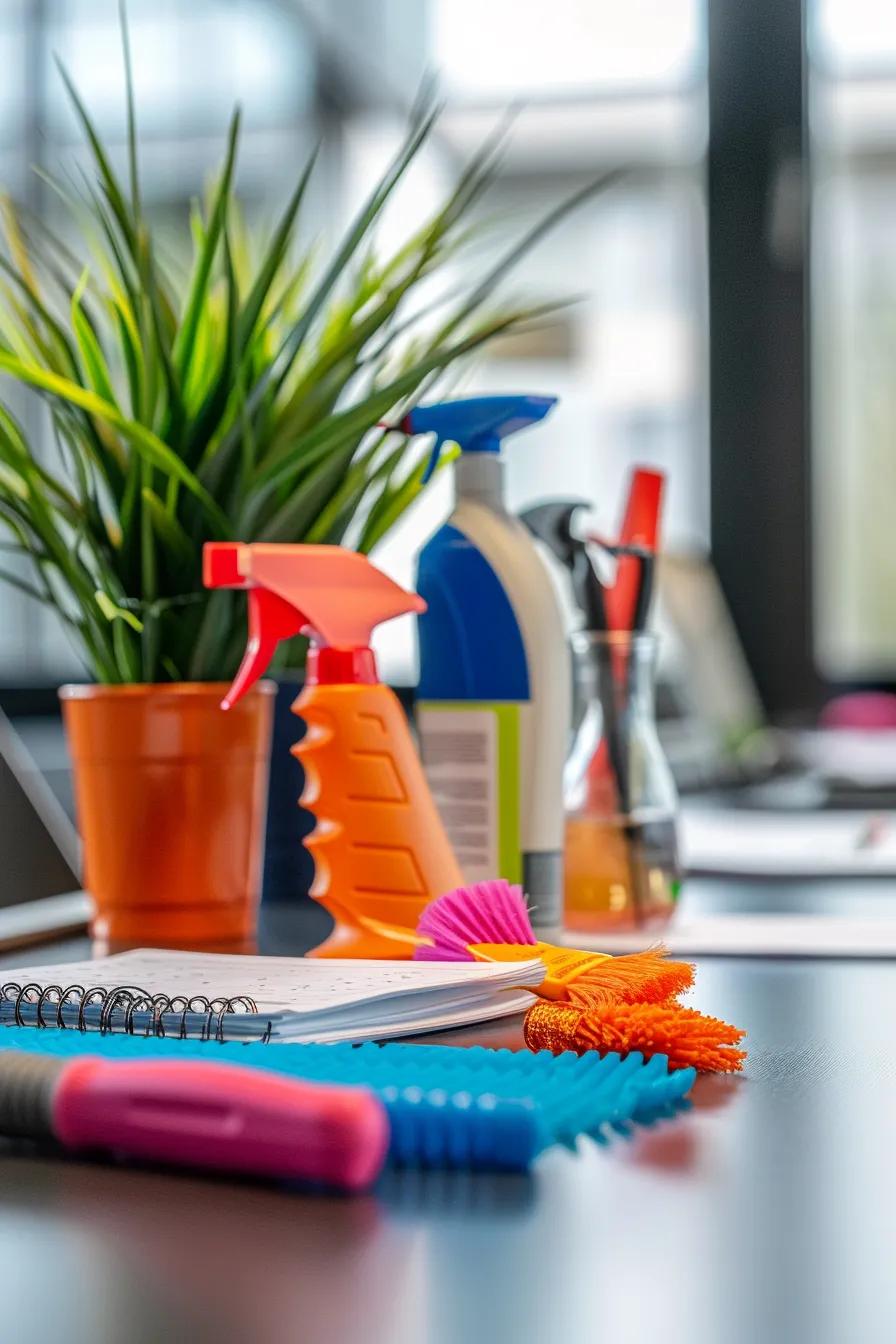
Daily and weekly routines form the operational backbone of office cleanliness by removing fresh soils and preventing build-up that leads to odors, stains, and microbial growth. Daily procedures target high-touch surfaces and shared zones to interrupt transmission chains and maintain a presentable environment for staff and visitors. Weekly tasks concentrate on areas that accumulate settled dust and grime—baseboards, vents, and under-desk zones—so the workspace does not degrade between deeper interventions. The predictable cadence of daily and weekly work reduces the demand on deep cleaning and extends the life of finishes and furnishings, preparing the facility for periodic verification testing that confirms standards are being met.
Daily and weekly checklists clarify responsibilities and help facilities track compliance; the list below outlines core items for each cadence.
- Empty trash and recycling bins and replace liners to prevent odors and pest attraction.
- Disinfect high-touch surfaces including door handles, light switches, elevator buttons, and shared equipment.
- Perform quick vacuuming or spot cleaning of high-traffic paths and tidy communal surfaces.
- Weekly: dust vents and high surfaces, wet-mop hard floors, deep-clean restrooms, and clean glass and touchscreens.
Following these task lists ensures a consistent baseline of cleanliness; establishing clear roles for on-site staff versus contracted teams improves execution and reduces missed tasks.
What Are the Key Deep Cleaning Techniques for Commercial Spaces?
Deep cleaning uses higher-capacity tools and validated protocols to remove embedded soils, allergens, and microbial reservoirs that routine maintenance cannot address. Techniques include hot water extraction (deep steam extraction) for carpets, enzymatic spot treatments for bio-based soils, upholstery steam cleaning, and targeted disinfection of high-risk zones using products with appropriate contact times. Deep methods couple mechanical action, controlled chemistry, and drying protocols to restore surface appearance and function while reducing allergen load and odor. Verification steps—visual inspection, ATP swabbing, and documented pre/post records—turn deep cleaning from an anecdotal improvement into a measured outcome that facilities managers can track over time.
Deep cleaning schedules should be based on traffic, material type, and measured indicators; the next section applies these methods to high-traffic and specialized areas to show how techniques vary by context.
Which Effective Office Cleaning Techniques Target High-Traffic and Specialized Areas?
High-traffic and specialized areas demand tailored protocols that balance speed, appearance, and hygiene verification. Reception and waiting areas require frequent surface disinfection, stain management for upholstery, and routine floor care that preserves guest-facing appearances. Break rooms need both surface sanitation and appliance cleaning to prevent foodborne contamination. Restrooms call for validated disinfectant contact times and redundant supply checks to ensure occupant safety. Floors—carpet, tile, and resilient surfaces—each require a different care pathway ranging from quick vacuuming to periodic hot water extraction for carpets and scrub-and-dry methods for hard floors. Executing area-specific protocols reduces outbreak risk, extends surface life, and protects brand impression in guest-facing zones.
Below is a practical area-by-area protocol table that pairs spaces with recommended methods and frequency.
| Area | Recommended Methods/Tools | Frequency/Notes |
|---|---|---|
| Reception & Waiting | High-touch disinfection, upholstery spot treatment, light deodorizing | Daily disinfection; upholstery spot care weekly or as needed |
| Break Room | Surface disinfecting, appliance interior wipe-down, waste management | Daily surface wipe; deep appliance clean weekly |
| Restrooms | EPA-registered disinfectants, fixture descaling, supply checks | Multiple daily touchpoint disinfects; full sanitation daily |
| Flooring | Vacuuming, mop/scrub, deep steam extraction for carpets | Daily vacuum; deep extraction monthly–quarterly for carpets |
| Short-Term Rentals | Mattress steam sanitation, upholstery touch-ups, turnover deodorizing | Turnover protocol per guest + deeper monthly cleaning |
How Should Reception, Waiting Areas, and Break Rooms Be Cleaned?
Reception, waiting areas, and break rooms should follow a guest-centric routine that preserves appearance while controlling contamination risks. Start with daily disinfection of high-touch points and straightening of literature and seating; follow with stain treatment workflows that use targeted chemistry and mechanical agitation for upholstery spots. Deodorizing should be light and focused on source control rather than masking; odor neutralizers and enzyme-based cleaners work better than perfumed sprays in high-use spaces. For break rooms, combine surface sanitation with protocol-driven appliance care to prevent foodborne contamination and reduce pests. Regularly scheduled upholstery touch-ups and periodic steam cleaning extend furniture life and maintain a professional, welcoming impression.
A short, focused checklist helps frontline staff and contractors execute consistent service in these guest-facing zones.
- Wipe and disinfect reception desk and seating touchpoints at the start and end of each day.
- Treat upholstery stains with targeted spot removers and follow with steam touch-ups weekly.
- Maintain break-room appliance cleanliness and wipe high-touch surfaces after peak use periods.
Consistent application of these steps improves visual standards and reduces liability, which leads naturally into restroom and floor care protocols that manage health risks more directly.
What Are Best Practices for Restroom and Floor Care in Commercial Settings?
Restroom sanitation and floor care follow safety-first protocols that combine verified chemistry, proper dwell times, and hazard controls to protect occupants. Effective restroom protocols include sequential cleaning—soil removal, targeted disinfection with correct contact time, and replenishment of hygiene supplies—with documented checklists for accountability. Floor care varies by surface: for hard floors use dust-mopping followed by detergent scrub and controlled drying; for carpets prioritize hot water extraction (deep steam extraction) when soils are embedded. Slip-prevention signage, appropriate dilution rates for chemicals, and clear drying windows are essential to maintain safety during and after cleaning operations. These practices reduce pathogen reservoirs and maintain serviceability of flooring over time.
The small table below compares floor care approaches by surface type to guide decisions.
| Floor Type | Recommended Method | Safety/Notes |
|---|---|---|
| Carpet | Vacuuming + periodic deep steam extraction | Drying time and rapid spot treatment important |
| Tile/Grout | Scrub with neutral cleaner and rinse | Prevent residue; ensure slip control |
| Resilient/Vinyl | Auto-scrub or wet-mop with neutral solution | Avoid over-wetting; use floor finish as specified |
How Does Deep Steam Extraction Improve Carpet Cleaning?
Deep steam extraction is a hot water extraction method that injects heated water and approved cleaning solution into carpet fibers, agitates to dislodge embedded soils, and extracts the resulting slurry, removing allergens, oils, and trapped contaminants. The combination of heat, solvent action, and mechanical extraction breaks the bond between soil and fiber, which reduces spot reappearance and improves visual recovery. Proper drying protocols and pre-inspection of stains guide whether pretreatment or stronger enzymatic agents are needed. For commercial carpets, scheduled steam extraction restores pile resilience, reduces allergen loads, and can be validated through before/after visual inspection or ATP surface testing.
Choosing steam extraction over dry methods depends on soil load, fiber type, and downtime constraints; effective scheduling balances performance and operational disruption.
How Does Eco-Friendly Commercial Cleaning Enhance Workplace Health and Sustainability?

Eco-friendly commercial cleaning uses low-VOC, biodegradable products and equipment choices that reduce chemical emissions while maintaining cleaning efficacy. These sustainable practices matter because they lower occupant exposure to harmful volatile organic compounds, reduce environmental discharge, and support corporate sustainability goals. Techniques include microfiber systems that require less chemical, green-labeled disinfectants where appropriate, and filtration-based strategies (HEPA) to address airborne particles rather than relying on heavy chemical usage. Implementing green practices alongside verification measures—such as IAQ monitoring and ATP sampling—ensures sustainability does not compromise hygiene outcomes. Organizations adopting eco-friendly cleaning often see improved staff comfort and measurable IAQ improvements that align with modern health standards.
Below are common benefits of green cleaning and why they matter for workplaces.
- Reduced VOC exposure leads to improved staff comfort and fewer complaints about odors and irritation.
- Lower environmental impact through biodegradable chemistries and reduced hazardous waste.
- Alignment with organizational sustainability goals and improved public perception.
Adopting these practices requires training and verification to ensure green products meet performance needs; the next subsection explains IAQ improvements in more detail.
What Are the Benefits of Using Green Cleaning Products in Offices?
Green cleaning products reduce exposure to harmful chemicals while preserving cleaning effectiveness for routine and many deep-clean tasks. Lower-VOC formulations and concentrated, biodegradable chemistries minimize off-gassing, which improves perceived air quality and reduces irritation among sensitive occupants. From a brand perspective, visible sustainability practices support corporate ESG messaging and can reduce regulatory risk tied to hazardous chemical disposal. Selecting certified products and documenting their use provides transparency and supports procurement policies that favor safer, effective alternatives. These benefits are maximized when combined with mechanical controls like HEPA filtration that remove particulates rather than relying solely on aerosols or perfumed cleaners. When choosing green products, verify performance against the intended soil type and consider small pilot tests with ATP or visual metrics before full roll-out.
How Do Sustainable Cleaning Practices Improve Indoor Air Quality?
Sustainable cleaning improves indoor air quality (IAQ) by reducing chemical emissions and combining filtration and procedural changes that remove particulates and limit VOCs. Using microfiber and wet-dusting reduces resuspension of dust, while HEPA filtration systems lower airborne particulate counts—critical for allergy reduction and respiratory health. Choosing low-VOC disinfectants and avoiding aerosolized sprays limits transient spikes in VOC concentrations during cleaning events. Scheduling heavier cleaning activities during off-hours and ensuring proper ventilation during and after treatment reduce peak exposures for occupants. Verification using IAQ metrics and particulate counts demonstrates performance improvements and supports adjustments to product choice or procedures where necessary.
Improved IAQ from sustainable practices translates to fewer sick days and better occupant comfort, which connects directly to measurable business benefits discussed later.
What Advanced Cleaning Technologies Are Used for Effective Commercial Cleaning?
Advanced cleaning technologies enhance both performance and verifiability of commercial cleaning by combining mechanical extraction, filtration, and rapid hygiene measurement tools. Equipment such as HEPA air systems actively remove submicron particulates from recirculated air, while industrial-grade hot water extractors tackle embedded soils in porous materials. ATP meters provide near-real-time indicators of organic residue on surfaces, giving teams an objective verification metric that links cleaning actions to measurable cleanliness. Industrial vacuums, floor scrubbers, and portable extractors increase throughput and consistency, reducing manual variability. Selecting the right technology depends on goals—appearance, allergen reduction, or infection control—and on how providers integrate verification into routine workflows.
The table below summarizes common advanced tools, their purpose, and key performance indicators to guide procurement and deployment decisions.
| Equipment/Tool | Purpose | Performance Indicator |
|---|---|---|
| HEPA Air Systems | Remove airborne particulates and improve IAQ | Particle counts, filter change intervals |
| ATP Meters | Rapid surface hygiene verification | Relative light units (RLU) pre/post thresholds |
| Deep Steam Extractors | Remove embedded soils from carpets/upholstery | Visual soil removal, faster re-soiling rates |
| Industrial Vacuums & Scrubbers | Improve cleaning speed and consistency | Area cleaned per hour, reduction in repeat tasks |
How Do HEPA Air Systems and ATP Meters Verify Cleanliness?
HEPA air systems verify cleaning effectiveness by continuously reducing particulate loads in indoor air, which is measurable through particle counters and correlates with reduced allergen exposure. ATP meters verify surface cleanliness by detecting adenosine triphosphate as a proxy for organic residue; lower RLU readings after cleaning indicate a successful reduction in biological and organic soils. Combining airborne particle counts (for IAQ) and ATP surface readings (for touchpoint hygiene) creates a two-dimensional verification strategy that links procedures to outcomes. Establishing threshold values and documenting pre/post readings enables data-driven scheduling: higher traffic or elevated readings trigger more frequent interventions. Using these tools together turns qualitative cleaning claims into quantified performance.
When providers share verification data with clients, it builds trust and helps tune cleaning frequency and methods to actual contamination profiles.
What Industrial-Grade Tools Enhance Commercial Cleaning Efficiency?
Industrial-grade tools—backpack vacuums, auto-scrubbers, high-capacity extractors, and rotary floor machines—raise efficiency by increasing coverage per hour and improving mechanical soil removal. These machines provide consistent agitation, controlled solution dispensing, and extraction power that manual methods cannot match, reducing labor time and improving repeatability. Properly maintained equipment also reduces downtime and ensures chemicals and water are used efficiently, which supports sustainability goals. Operational considerations include staff training, routine maintenance schedules, and choosing attachments appropriate to surface types. When industrial tools are combined with verification steps, teams can demonstrate clear improvements in cleanliness and productivity.
Selecting the right combination of tools depends on surface inventory, traffic patterns, and the verification strategy that a facility uses to validate outcomes.
How Can Businesses Tailor Commercial Cleaning Methods to Their Unique Needs?
Tailoring cleaning methods begins with an assessment of traffic patterns, surface materials, regulatory constraints, and occupant sensitivity to chemicals or downtime. Customized plans allocate resources where risk and visibility are highest—reception areas, restrooms, clinics—and scale back frequency in low-use storage areas. Flexible scheduling (night, early morning, or staggered shifts) reduces disruption and lets teams deploy more intensive methods like steam extraction with minimal occupant impact. Documentation of scopes of work and measurable verification benchmarks aligns expectations between facilities managers and service providers. This needs-driven approach reduces wasted effort and produces predictable, auditable results.
What Are the Advantages of Customized Cleaning Plans and Flexible Scheduling?
Customized cleaning plans and flexible schedules cut costs by targeting high-risk areas while avoiding unnecessary service in low-impact zones, improving cost-effectiveness and occupant satisfaction. Time-of-day scheduling lets teams perform disruptive deep-clean tasks during off-hours, preserving business operations and reducing exposure. Customized scopes of work also allow hybrid models—regular in-house maintenance plus periodic contract deep cleans—optimizing both responsiveness and technical capability. Clear documentation and periodic review cycles ensure plans evolve with changing traffic patterns and business needs, producing continually optimized service levels. These operational gains support predictable budgeting and measurable cleanliness outcomes for stakeholders.
How Are Cleaning Protocols Adapted for Clinics, Retail, and Short-Term Rentals?
Protocols differ by industry because regulatory expectations, turnover speed, and guest perceptions vary significantly. Clinics require documented disinfection protocols, stronger chemical choices where permitted, and robust verification for patient safety. Retail environments balance merchandising with cleanliness—spotless floors and glass matter for sales conversions—so cleaning schedules must avoid disrupting peak hours and include targeted merchandising-friendly methods. Short-term rentals need rapid turnover workflows: mattress steam sanitation, upholstery touch-ups, deodorizing, and fast drying that preserve guest experience. Verification for high-risk settings may include more frequent ATP checks or HEPA servicing to demonstrate compliance and reduce liability.
Providing industry-specific checklists and clear verification steps ensures protocols meet both practical needs and regulatory or guest expectations.
What Are the Key Benefits of Professional Commercial Cleaning for Workspaces?
Professional commercial cleaning produces measurable benefits: improved employee wellness through lowered allergen and pathogen loads, enhanced client impressions from consistently presented spaces, and risk reduction via documented protocols that support compliance. Professional teams bring access to specialized equipment (deep steam extractors, HEPA systems) and verification tools (ATP meters) that produce quantifiable outcomes rather than anecdotal improvements. Outsourced services also free internal staff to focus on core operations while ensuring tasks are performed according to agreed scopes of work with traceable records. These combined benefits translate into fewer sick days, higher productivity, and stronger brand perception in customer-facing environments.
How Does Professional Cleaning Improve Employee Wellness and Productivity?
Professional cleaning improves wellness by lowering airborne particulates and surface-bound organic residues that can trigger allergies and spread infectious agents, reducing absenteeism and improving focus. Cleaner workspaces reduce distractions from odors, stains, and clutter, which helps cognitive performance and morale. Verification data—such as reduced ATP readings and improved IAQ metrics following targeted interventions—provides evidence that cleaning actions produce health-related outcomes. When employees perceive a cleaner, safer environment, engagement and retention metrics often improve, linking operational investments directly to human capital results. Reliable cleaning thus functions as both a health and productivity investment for organizations.
How Does a Spotless Workspace Enhance Client Impressions and Business Image?
A spotless workspace signals operational competence and attention to detail, which raises client trust and can influence purchasing decisions or contract awards. Reception areas, meeting rooms, and restrooms serve as leading indicators of overall organizational standards; maintaining these spaces at high levels of cleanliness supports positive first impressions. Regular, documented cleaning programs also support corporate messages about safety and sustainability when eco-friendly practices and verification are part of service delivery. Clear checklists for guest-facing areas ensure that appearance priorities are never deprioritized, producing consistent experiences that reinforce brand positioning and client confidence.
For organizations ready to operationalize these methods, professional providers can implement tailored plans, verified processes, and flexible schedules to match business needs.
M2 Cleaning Services operates in Ottawa and offers commercial packages designed to translate these methods into operational reality. For example, the Office Refresh package maps to daily and weekly maintenance routines for smaller footprints (up to 750 sq ft), while Reception & Waiting Area Refresh and Short-Term Rental Refresh apply the area-specific techniques described above, including upholstery touch-ups, light deodorizing, mattress steam sanitation for rentals, and deep steam extraction where appropriate. M2 Cleaning Services emphasizes eco-friendly practices, advanced tools and verification (HEPA air systems and ATP meters), and tailored flexible services supported by the Ask M2 feature that connects clients to local professionals. If you want measurable cleanliness and a free estimate or to book service, request a free estimate or booking directly through the provider to align a scope of work with your facility’s needs.
- Clear verification: Professional services provide documented pre/post verification using ATP and IAQ measures.
- Tailored scopes: Packages adapt frequency, methods, and technologies to specific business types and traffic patterns.
- Sustainability alignment: Eco-friendly practices reduce VOC exposure while maintaining performance.
These benefits position professional cleaning as an operational lever that improves safety, appearance, and operational efficiency for businesses of all types.
Frequently Asked Questions
What are the benefits of using eco-friendly cleaning products in commercial spaces?
Eco-friendly cleaning products offer numerous benefits for commercial spaces, including reduced exposure to harmful chemicals and improved indoor air quality. These products are typically low in volatile organic compounds (VOCs), which can cause respiratory issues and discomfort among employees. Additionally, using biodegradable and sustainable cleaning solutions aligns with corporate social responsibility goals, enhancing a company’s public image. By adopting eco-friendly practices, businesses can create a healthier work environment while also contributing to environmental sustainability, which can lead to increased employee satisfaction and retention.
How can businesses measure the effectiveness of their cleaning protocols?
Businesses can measure the effectiveness of their cleaning protocols through various verification methods, such as ATP (adenosine triphosphate) testing and indoor air quality (IAQ) monitoring. ATP testing provides immediate feedback on surface cleanliness by detecting organic residues, while IAQ monitoring assesses airborne pollutants and particulate levels. Regularly scheduled inspections and audits can also help ensure compliance with cleaning standards. By documenting these metrics, businesses can identify areas for improvement, adjust cleaning frequencies, and demonstrate the effectiveness of their cleaning efforts to stakeholders.
What role does employee training play in effective commercial cleaning?
Employee training is crucial for effective commercial cleaning as it ensures that staff are knowledgeable about cleaning techniques, safety protocols, and the proper use of equipment and chemicals. Well-trained employees are more likely to follow established procedures, leading to consistent cleaning outcomes and reduced risk of accidents. Training also empowers staff to identify and address potential hygiene issues proactively. Regular refresher courses can keep employees updated on best practices and new technologies, ultimately enhancing the overall effectiveness of the cleaning program and contributing to a healthier work environment.
How often should deep cleaning be performed in commercial spaces?
The frequency of deep cleaning in commercial spaces depends on several factors, including the type of business, foot traffic, and specific hygiene requirements. Generally, deep cleaning should be performed at least once a month for high-traffic areas, such as offices and retail spaces, to remove embedded soils and allergens. In environments like healthcare facilities, more frequent deep cleaning may be necessary to meet stringent health standards. Establishing a tailored cleaning schedule based on usage patterns and industry guidelines can help maintain optimal cleanliness and hygiene levels.
What are the advantages of using advanced cleaning technologies?
Advanced cleaning technologies, such as HEPA air systems and ATP meters, enhance the efficiency and effectiveness of commercial cleaning. HEPA systems improve indoor air quality by capturing fine particulate matter, reducing allergens and respiratory irritants. ATP meters provide real-time feedback on surface cleanliness, allowing cleaning teams to adjust their methods as needed. These technologies not only streamline cleaning processes but also provide measurable data that can be used to demonstrate compliance with health standards and improve overall cleaning outcomes. Investing in advanced tools can lead to a cleaner, healthier work environment.
How can businesses customize their cleaning plans to meet specific needs?
Businesses can customize their cleaning plans by assessing their unique requirements, such as traffic patterns, surface types, and regulatory compliance. This involves identifying high-risk areas that require more frequent cleaning and tailoring methods to suit specific environments, like clinics or retail spaces. Flexible scheduling can also be implemented to minimize disruption during peak hours. By documenting cleaning protocols and regularly reviewing their effectiveness, businesses can adapt their plans to changing needs, ensuring that cleaning efforts remain efficient and aligned with operational goals.
What impact does a clean workspace have on employee productivity?
A clean workspace significantly impacts employee productivity by creating a healthier and more pleasant environment. Reduced allergens and pathogens lead to fewer sick days and improved overall wellness, allowing employees to focus better on their tasks. A tidy and organized workspace minimizes distractions, enhancing concentration and morale. Furthermore, a clean environment fosters a sense of pride and professionalism among employees, which can boost engagement and motivation. Ultimately, investing in cleanliness translates to higher productivity levels and a more positive workplace culture.
Conclusion
Implementing effective commercial cleaning methods significantly enhances workplace hygiene, employee wellness, and client perceptions. By utilizing tailored routines and advanced technologies, businesses can achieve measurable improvements in cleanliness and operational efficiency. Embracing these practices not only supports health and safety but also aligns with sustainability goals, fostering a positive work environment. For a customized cleaning solution that meets your unique needs, explore our services today.