Discover the Key Benefits of Deodorizing Treatments After Cleaning Your Carpets and Rugs

Introduction
Deodorizing treatments are targeted post-cleaning processes that neutralize odors at their source, reduce microbial and allergen loads, and leave carpets and rugs smelling fresh and inviting. Readers will learn why deodorizing is a necessary complement to deep cleaning, how professional methods differ from DIY masking, and which approaches work best for specific odor types such as pet urine, smoke, cooking, and musty/mold smells. Many homeowners and property managers assume a carpet is fully “clean” after extraction, but residues, trapped organic matter, and moisture can allow odors to persist or return. This article explains the mechanisms behind enzyme-based and non-toxic neutralizers, outlines measurable indoor air quality and health benefits, and provides practical maintenance tips to keep carpets fresh between professional visits. We’ll cover why deodorizing treatments are essential, how they improve air quality and health, the long-term advantages for carpet life, eco-friendly options used by experienced providers, tailoring for residential and commercial spaces, and concise answers to the most common questions about carpet deodorizing.
Why Are Deodorizing Treatments Essential After Carpet and Rug Cleaning?
Deodorizing treatments are essential because cleaning removes visible soil while deodorizing neutralizes odor-causing molecules and microbes that remain deep in fibers and padding. The mechanism involves either enzymatic breakdown of organic compounds or chemical neutralization of volatile odor molecules, producing a lasting reduction in detectable odor rather than temporary masking. The specific benefit is improved occupant comfort and reduced recurrence of smells, which supports healthier indoor air and better impressions for visitors or customers. Understanding this distinction clarifies why a combined cleaning-plus-deodorizing approach delivers more consistent, long-lasting results than cleaning alone.
How Do Deodorizing Treatments Eliminate Lingering Odors at the Source?
Professional deodorizing commonly uses enzyme-based formulations that target organic molecules, breaking them into smaller, non-odorous components that can be rinsed or evaporated. Enzymes specifically bind and catalyze the breakdown of proteins and other organic residues—exactly the compounds found in pet urine, food spills, and biological soils—so odors are removed rather than covered. Deep penetration into pile and backing is paired with agitation and extraction to reach trapped residues, and this targeted chemistry is why masking agents fail where enzymatic neutralizers succeed. This enzymatic action reduces the active odor load and lowers the chance that odors will re-emerge after drying, setting up the next discussion about specific odor types professionals target.
What Common Odors Do Professional Deodorizers Target?
Professional deodorizers are formulated for several distinct odor families: pet-related odors (dander, urine), smoke from tobacco or cooking, persistent cooking odors, and musty smells linked to moisture and microbial growth. Each odor class has a preferred treatment: enzyme-based neutralizers excel for organic pet stains, oxidizing neutralizers can help with smoke compounds, and moisture-control plus antimicrobial steps are needed for musty mildew problems. Identifying the odor class quickly during inspection lets technicians choose the right chemistry and application method, improving the chance of long-term removal rather than temporary masking.
How Do Deodorizing Treatments Improve Indoor Air Quality and Health?
Deodorizing treatments improve indoor air quality (IAQ) by reducing the reservoir of odor-causing microbes and trapped allergens that resuspend in air during daily activity. Mechanisms include microbial reduction via enzymatic or antimicrobial formulations and removal of volatile organic compounds (VOCs) through neutralization and ventilation, which lowers airborne triggers for allergy and respiratory irritation. The specific health benefits include fewer allergic reactions, reduced asthma triggers, and improved overall comfort for sensitive occupants. By addressing both the particulate and gaseous components that carpets can harbor, deodorizing becomes a meaningful part of an IAQ strategy.
What Impact Do Odors and Allergens in Carpets Have on Respiratory Health?
Carpets can act as reservoirs for dust, pet dander, microbial spores, and volatile odor molecules; these elements can irritate airways and exacerbate allergies or asthma when resuspended. Chronic exposure to elevated indoor allergens correlates with increased symptoms such as sneezing, congestion, coughing, and reduced sleep quality for sensitive individuals. Removing odor sources and reducing microbial loads through targeted deodorizing reduces airborne triggers between deep cleanings and supports a more comfortable indoor environment. Addressing these reservoirs is therefore an important preventative measure as we move into how professional solutions reduce microbes and allergens.
How Do Professional Deodorizing Solutions Reduce Bacteria and Allergens?
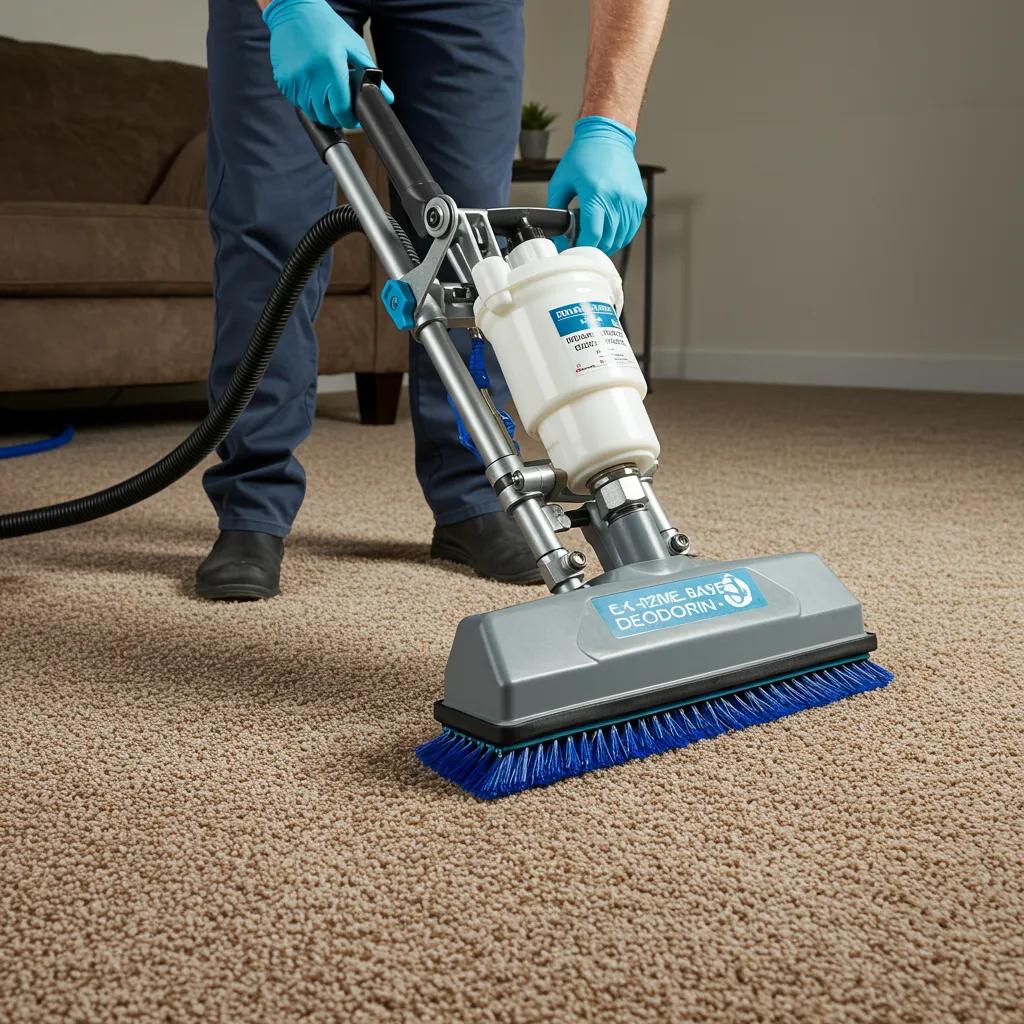
Professional deodorizing solutions reduce bacteria and allergens by combining deep extraction, targeted chemistries (such as enzymes and non-toxic neutralizers), and controlled drying/ventilation to prevent regrowth. Application equipment ensures penetration into fibers and padding where allergens and microbes hide, and verification practices commonly used by advanced providers—such as HEPA-filtered air handling and ATP cleanliness readings—help confirm treatment effectiveness. Non-toxic options deliver microbial reduction without harmful residues or significant off-gassing, making them suitable for homes with children and pets and for commercial settings prioritizing occupant health. These verification and equipment practices lead naturally to the practical benefits of prolonged freshness.
What Are the Benefits of Long-Lasting Freshness and Odor Neutralization?
Long-lasting freshness and odor neutralization deliver both practical savings and improved perceptions of cleanliness that matter to homeowners and businesses. The mechanism behind prolonged results is removal of the odor-causing substrate (via enzymes or neutralizers) combined with professional extraction and drying, which reduces the frequency of repeat treatments and extends the time between deep cleanings. Benefits include better guest experiences, lower turnover-related labor in rentals, and a reduced need for frequent spot treatments. These outcomes translate into cost-effectiveness over time because preserving carpet appearance and reducing repeat interventions both save money.
| Benefit Area | Attribute Improved | Typical Outcome |
|---|---|---|
| Indoor Air Quality | Allergen and microbial load | Reduced airborne triggers and fewer symptomatic days |
| Perceived Cleanliness | Odor presence and scent neutrality | Improved guest satisfaction and customer impressions |
| Maintenance Efficiency | Frequency of deep cleans | Longer intervals between professional services |
| Cost Savings | Replacement delay | Slower wear and deferred replacement costs |
How Do Deodorizing Treatments Create a Welcoming and Fresh Home Environment?
Deodorizing treatments change sensory cues that visitors and occupants use to judge cleanliness: neutralizing odors makes a space feel cleaner, which improves hospitality and comfort. For homeowners, this means less embarrassment during social visits and better living comfort; for short-term rental hosts and reception areas, neutral scents correlate with higher guest ratings and perceived professionalism. Practical examples include faster turnover readiness in rentals and improved client impressions in waiting areas, where scent neutrality enhances perceived hygiene. These perceptual improvements underscore why professionals prioritize odor neutralization as part of a full cleaning service.
Why Is Professional Deodorizing More Effective Than DIY Methods?
Professional deodorizing outperforms DIY because technicians use targeted chemistries, controlled application, and equipment that reach deep layers of carpet and padding rather than superficial masking or surface baking-soda treatments. DIY approaches often mask odors temporarily or fail to reach embedded residues; professionals pair enzymatic neutralizers with extraction, agitation, and proper drying to remove the source. Additionally, verification tools and procedural standards reduce the risk of repeat problems and ensure safety for occupants and pets. Understanding these advantages helps owners decide when to invest in professional deodorizing rather than relying on short-term fixes.
How Do Deodorizing Treatments Protect and Extend the Life of Your Carpets and Rugs?
Deodorizing treatments protect carpet fibers by removing residues that chemically and biologically weaken fibers over time, slowing discoloration and structural degradation. The mechanism includes neutralization of acidic residues (for example from urine) and reduction of microbial activity that otherwise accelerates fiber breakdown and staining. This preventative maintenance approach helps preserve pile integrity, color, and performance, reducing the need for premature replacement. Integrating deodorizing into a routine care plan therefore contributes directly to longevity and lower lifecycle costs for carpeting.
In What Ways Do Odor-Causing Substances Damage Carpet Fibers?
Organic residues and acidic substances from spills and pet incidents can modify fiber chemistry and promote staining, while microbial growth can digest certain organic components and weaken backing or pile over time. These processes accelerate wear, cause discoloration, and can lead to permanent damage if left untreated. Regular removal of such residues and managing moisture through prompt cleaning and drying interrupt these degradation pathways. Addressing these causes early reduces long-term repair or replacement expenses and preserves visual appearance, which sets up an explanation of how deodorizing supports preservation.
How Does Deodorizing Help Preserve Carpet Quality and Longevity?
Deodorizing preserves quality by neutralizing damaging chemicals and reducing microbial populations that would otherwise continue to act on fibers after a surface cleaning. The result is slower fiber breakdown, fewer entrenched stains, and less frequent need for restorative deep cleaning. Practical outcomes include extended warranty compliance in some products, improved resale value for homes, and lower operating costs for businesses with large carpeted areas. Planning treatment frequency based on traffic and odor history helps maximize these preservation benefits and informs tailored service choices discussed next.
What Eco-Friendly Deodorizing Solutions Does M2 Cleaning Services Use?

Eco-friendly deodorizing solutions prioritize enzyme-based and non-toxic neutralizers that remove odors with minimal environmental and occupant impact. Enzyme-based products break down organic residues biologically, while non-toxic neutralizers chemically bind or alter volatile compounds without harmful residues or strong off-gassing. These approaches align with eco-conscious cleaning priorities and support healthier indoor air for families and businesses. M2 Cleaning Services emphasizes eco-friendly practices and advanced verification tools—such as HEPA air systems and ATP meters—when recommending and applying deodorizing treatments to ensure safety and effectiveness.
| Deodorizer Type | Mechanism | Safety Profile | Ideal Use-Case |
|---|---|---|---|
| Enzyme-based neutralizer | Biological breakdown of organics | Low toxicity, pet/family safe | Pet urine and protein-based soils |
| Non-toxic molecular neutralizer | Chemical binding/neutralization of VOCs | Low off-gassing, safe for interiors | General odor control in occupied spaces |
| Conventional masking agents | Fragrance overlay | Higher VOCs, temporary | Short-term scent masking only |
How Do Enzyme-Based and Non-Toxic Deodorizers Work?
Enzyme-based deodorizers contain catalysts that target and break down organic molecules responsible for odors, converting them into non-odorous fragments that can be extracted or safely biodegraded. Non-toxic molecular neutralizers work by chemically binding volatile molecules or altering their structure to remove odor perception without adding harmful residues. Both approaches reduce off-gassing and are compatible with sensitive occupants, which supports healthier indoor air goals. These mechanisms explain why eco-friendly options are increasingly favored over harsh chemical alternatives that may temporarily mask but not remove odor sources.
Why Choose Eco-Friendly Treatments for a Healthier Home?
Choosing eco-friendly treatments reduces occupant exposure to strong chemicals and supports indoor air quality objectives by minimizing volatile residues after treatment. This matters for households with children, pets, or allergy sufferers and for commercial settings that prioritize wellness and safe environments. Consumer preference for green cleaning has grown, and eco-friendly deodorizing aligns with expectations for sustainable, health-conscious service. The next section shows how treatments are adjusted by setting and usage patterns to deliver the right balance of strength and safety.
How Are Deodorizing Treatments Tailored for Residential and Commercial Clients?
Deodorizing services are tailored by considering traffic patterns, odor sources, occupancy sensitivity, and scheduling constraints to select product strength, scope, and frequency. Mechanisms of customization include adjusting concentrations, choosing enzyme versus non-toxic chemistries, and selecting light versus full deodorizing procedures based on inspection findings. The benefit of customization is treatments that resolve odors with minimal disruption and appropriate durability for the space’s usage. Tailored assessments allow technicians to provide practical recs for homes, offices, rentals, and high-traffic commercial areas.
| Client Type | Target Odor | Treatment Intensity | Recommended Frequency |
|---|---|---|---|
| Residential | Pets, cooking | Moderate enzyme/non-toxic | Every 6–12 months or as needed |
| Office/Reception | Foot traffic, food smells | Light deodorizing or targeted zones | Quarterly or scheduled turnover |
| Short-term Rentals | Guest turnover odors | Full deodorizing between stays | Between each checkout |
What Specific Odor Challenges Do Homes Face Compared to Commercial Spaces?
Homes typically contend with concentrated, repeat sources such as pets, children, cooking, and occasional accidents that deposit organic residues in favored spots. Commercial spaces face high foot traffic, variable use, and turnover that accumulates diverse odors across larger areas and requires minimal disruption during service windows. These differences affect product choice and treatment scope: homes may need spot-focused enzymatic work, while commercial spaces often benefit from light deodorizing across high-use zones or scheduled deeper treatments during off-hours. Recognizing these contrasts helps set realistic expectations for frequency and outcomes.
How Does M2 Customize Deodorizing Services for Offices and Rentals?
M2 Cleaning Services uses an assessment-driven process to choose light versus full deodorizing treatments based on identified odor sources, high-traffic zones, and client scheduling needs; options such as “Office Refresh” or “Reception and Waiting Area Refresh” commonly include light deodorizing treatment variants for low-disruption upkeep. Technicians evaluate piles, padding, and ventilation and then select enzyme or non-toxic neutralizers accordingly, balancing efficacy with occupant safety. Scheduling flexibility and minimal downtime are prioritized for rentals and offices to maintain operations while restoring scent neutrality. To provide useful information about cleaning services and lead potential clients to book a service or request a free estimate.
What Are the Most Common Questions About Carpet Deodorizing?
This FAQ-style section answers typical homeowner and manager queries concisely to support quick decisions and capture featured-snippet style queries. Below are targeted, short answers intended to match common PAA queries and guide next steps for follow-up treatments or professional assessment. The goal is to provide clear diagnostics and recommended immediate actions so readers can decide whether a DIY step or a pro visit is needed.
Why Do Carpets Sometimes Smell After Cleaning?
Carpets can smell after cleaning because trapped residues resurface, extraction was incomplete, drying was delayed allowing microbial activity, or a masking product was used instead of neutralization. Immediate homeowner steps include increasing ventilation, using fans to speed drying, and avoiding re-wetting treated areas; persistent odors often require targeted enzymatic treatment to remove sources in padding or backing. If odors persist after 24–48 hours of proper drying, a professional inspection is recommended to identify hidden residues or moisture issues. These diagnostic steps help determine whether a follow-up deodorizing treatment is necessary.
What Is the Best Carpet Deodorizer for Pet Odors and Musty Smells?
Enzyme-based neutralizers are the best first-line choice for pet-related organic odors because they break down urine proteins and bacteria that create persistent smells, while musty or mold-related odors require addressing moisture sources first plus antimicrobial or moisture-control measures. Masking agents are not recommended for these issues because they do not remove the underlying cause and often make detection harder. For stubborn cases, a combined approach—deep cleaning, enzymatic neutralization, and moisture remediation—provides the most reliable long-term outcome and may require professional assessment.
How Do Professionals Ensure Long-Lasting Odor Removal?
Professionals follow a stepwise protocol: inspect to identify odor type and source, deep clean and extract soils, apply targeted deodorizer (enzyme or non-toxic neutralizer) with penetration into padding when needed, and ensure controlled drying and ventilation to prevent regrowth. Advanced providers may use HEPA air handling and ATP meters to verify reduced biological residues and improved cleanliness post-treatment, supporting objective confirmation of effectiveness. They also recommend a maintenance schedule tailored to traffic and odor history to sustain results over time.
- Key maintenance tips: Schedule periodic professional deodorizing based on traffic and odor recurrence.
- When to act: If odors return after drying or if visible contamination remains, arrange a follow-up inspection.
- Preventative steps: Promptly attend to spills, control indoor humidity, and ventilate after wet activities.
These concise action steps guide homeowners and property managers toward maintaining fresh carpets and knowing when to involve professionals. To provide useful information about cleaning services and lead potential clients to book a service or request a free estimate.
Frequently Asked Questions
What are the signs that my carpets need deodorizing?
Signs that your carpets need deodorizing include persistent unpleasant odors, especially after cleaning, visible stains, or a musty smell that lingers despite regular vacuuming. If you notice that your carpets smell worse when they are damp or after heavy foot traffic, it may indicate trapped moisture and organic residues. Additionally, if guests or family members frequently comment on odors, it’s a clear signal that deodorizing treatments are necessary to restore freshness and improve indoor air quality.
How often should I schedule professional deodorizing treatments?
The frequency of professional deodorizing treatments depends on several factors, including foot traffic, the presence of pets, and specific odor challenges. Generally, it is recommended to schedule deodorizing every 6 to 12 months for residential spaces. High-traffic areas or homes with pets may require more frequent treatments, while commercial spaces might benefit from quarterly services. Regular assessments can help determine the best schedule to maintain freshness and prevent odors from becoming entrenched.
Can I use DIY methods to deodorize my carpets effectively?
While DIY methods can provide temporary relief, they often do not address the root causes of odors. Common DIY solutions, such as baking soda or vinegar, may mask smells but fail to eliminate the underlying organic residues. For effective deodorization, professional treatments using enzyme-based or non-toxic neutralizers are recommended, as they penetrate deep into the carpet fibers and padding to break down odor-causing substances. For persistent odors, professional intervention is usually the best approach.
What should I do if odors return after deodorizing?
If odors return after deodorizing, it may indicate that the source of the odor was not fully addressed or that new residues have developed. First, ensure proper ventilation and drying of the treated area. If the smell persists, consider scheduling a follow-up inspection with a professional to identify hidden residues or moisture issues. Regular maintenance and prompt attention to spills can also help prevent odors from re-emerging, ensuring a fresher environment.
Are eco-friendly deodorizing treatments as effective as traditional methods?
Yes, eco-friendly deodorizing treatments can be just as effective as traditional methods. They utilize enzyme-based and non-toxic neutralizers that break down organic residues without harmful chemicals. These solutions not only eliminate odors but also support healthier indoor air quality. Many professional services now prioritize eco-friendly options, making them suitable for homes with children and pets while still delivering long-lasting results. Choosing eco-friendly treatments aligns with sustainable cleaning practices and occupant safety.
How do I choose the right deodorizing service for my needs?
Choosing the right deodorizing service involves assessing your specific needs, such as the type of odors present, the frequency of use, and any sensitivities among occupants. Look for services that offer tailored solutions based on an initial assessment of your space. Consider providers that use advanced techniques, such as enzyme-based treatments and verification tools, to ensure effective results. Reading reviews and asking for recommendations can also help you find a reputable service that meets your requirements.
Conclusion
Deodorizing treatments are essential for maintaining a fresh and inviting atmosphere in your home or business, effectively neutralizing odors and improving indoor air quality. By investing in professional deodorizing services, you not only enhance the longevity of your carpets but also create a healthier environment for occupants. Don’t wait for odors to return; take proactive steps to ensure your space remains welcoming and clean. Explore our tailored deodorizing solutions today to experience the difference.