Commercial Carpet Cleaning Techniques for Pristine Spaces: Effective Methods and Professional Solutions

Commercial carpet cleaning refers to professional processes designed to remove soil, stains, and odors from large or high-traffic carpeted areas to restore appearance, improve indoor air quality, and extend service life. This article explains core commercial carpet cleaning techniques, the mechanisms that make each method effective, and practical decision criteria facility managers and property owners can use to choose the right approach. You will learn how hot water extraction, encapsulation, dry chemical, and bonnet cleaning differ in soil removal, drying time, equipment needs, and ideal use cases; how targeted stain removal and odor neutralization are performed in commercial settings; and how maintenance schedules reduce total cost of ownership. The guide also compares methods side-by-side, provides actionable stain-treatment workflows, and outlines maintenance templates for offices, clinics, retail, and short-term rentals. Along the way, we highlight eco-friendly practices and measurable indoor air quality benefits and show where a local provider like M2 Cleaning Services fits naturally as a consultative option for Ottawa businesses. Read on to get technique-specific steps, comparison tables, and practical checklists that help you keep commercial carpets pristine with minimal business disruption.
What Are the Most Effective Commercial Carpet Cleaning Methods?
Commercial carpet cleaning methods fall into a few core categories—hot water extraction, encapsulation, dry chemical cleaning, and bonnet cleaning—each using distinct mechanisms to remove soil and restore appearance. Hot water extraction forces heated water and cleaning solution into fibers and extracts suspended soil with high-powered vacuuming for deep cleaning, while encapsulation uses polymers to crystallize and lock soils for dry removal. Dry chemical cleaning relies on absorbent compounds plus agitation for quick-service maintenance, and bonnet cleaning uses a rotary machine with an absorbent pad to lift surface soils and restore appearance quickly. Each primary method trades off effectiveness against drying time and disruption, and choosing among them depends on traffic level, downtime tolerance, and carpet construction. Below is a quick reference comparison to help you scan method attributes before diving into process details and practical applications.
This table summarizes the primary mechanisms, typical drying times, ideal use cases, and top pros/cons for each technique.
| Technique | Primary Mechanism | Drying Time | Ideal Use Cases | Pros / Cons |
|---|---|---|---|---|
| Hot water extraction (steam cleaning) | High-pressure hot water + extraction vacuum | 2–8 hours | Deep-soiled carpets, clinics, post-event cleanups | Pros: deep soil removal, sanitization. Cons: longer drying, requires drying protocols |
| Encapsulation cleaning | Polymer encapsulant crystallizes soil for removal | 20–60 minutes | Offices, retail during business hours | Pros: fast drying, low downtime. Cons: less effective on heavy soil |
| Dry chemical cleaning | Absorbent compound + agitation and vacuum | 10–60 minutes | Quick turnarounds, short-term rentals | Pros: minimal moisture, fast. Cons: limited stain lift on deep soils |
| Bonnet cleaning | Rotary pad absorbs surface soils | 30–60 minutes | Interim appearance maintenance, lobbies | Pros: quick aesthetic refresh. Cons: can redistribute soil if overused |
This comparison helps you match a technique to site priorities such as deep cleaning versus rapid service recovery. The next subsections describe how hot water extraction and encapsulation work in practice and what to expect when these methods are deployed.
How Does Hot Water Extraction Deeply Clean Commercial Carpets?
Hot water extraction (commonly called steam cleaning) uses heated detergent solution injected under pressure into the carpet pile, followed by immediate high-volume vacuum extraction that removes dissolved soil and rinse water. The mechanism loosens and suspends both particulate and oily soils, and industrial-grade extractors capture contaminants into recovery tanks, reducing residue and microbial load; this effect improves appearance and supports indoor air quality when paired with HEPA air filtration. Typical steps include inspection and furniture moving, targeted pretreatment of stains, pre-spray agitation, high-pressure extraction passes, and post-cleaning grooming; drying protocols such as air movers or HVAC adjustments reduce downtime. For heavily soiled commercial carpets—clinics, tech floors, and reception areas—hot water extraction offers the most reliable deep-clean outcome, although scheduling during low-occupancy periods or after-hours minimizes business disruption. Understanding extraction mechanics prepares facility managers to coordinate logistics and select appropriate follow-up maintenance.
What Are the Advantages of Encapsulation Carpet Cleaning for Offices?
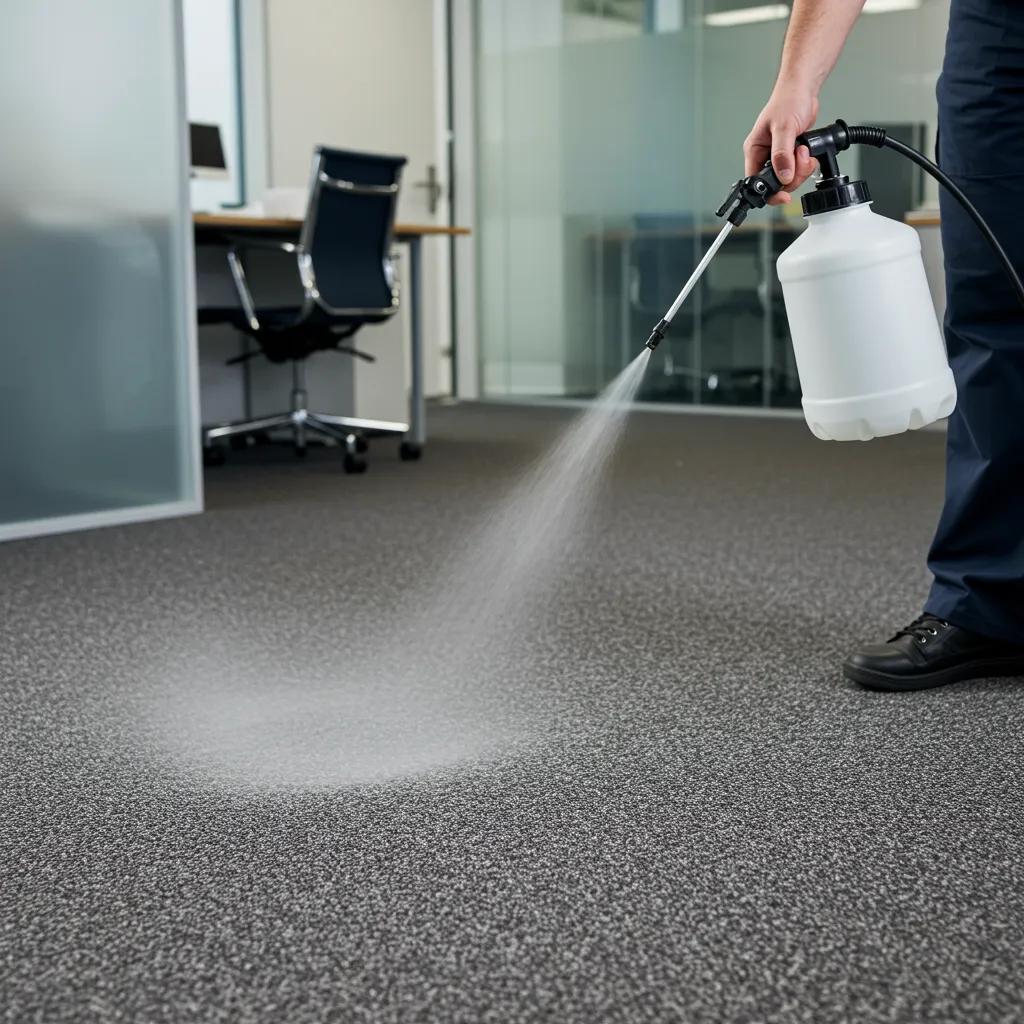
Encapsulation cleaning applies low-residue polymers that surround and crystallize soil particles, allowing soils to be removed through agitation and routine vacuuming when dry, which produces a rapid-return-to-service result. The mechanism avoids large volumes of water, so carpets dry quickly—often within an hour—and encapsulation is particularly effective for regular interim maintenance in open-plan offices and retail where downtime must be minimized. Application steps typically include pre-inspection, diluted encapsulant spray, rotary agitation, and scheduled vacuuming; this sequence keeps fibers free of sticky residues and prolongs the interval between deep extraction cycles. Encapsulation is cost-effective when executed on a scheduled basis and complements periodic hot water extraction to control cumulative soil load. Because encapsulation leaves minimal residue when correctly applied, it is a practical strategy for high-uptime commercial environments seeking consistent appearance with short drying times.
How Do Dry Chemical and Bonnet Cleaning Techniques Maintain Commercial Carpets?
Dry chemical and bonnet cleaning are low-moisture options focused on surface soil removal and rapid turnaround rather than deep extraction, making them useful as interim maintenance strategies between full cleanings. Dry chemical cleaning uses absorbent powders or granules combined with mechanical agitation to lift grime into the compound, which is then vacuumed away; it is fast, leaves minimal moisture, and works well for emergency cleanups or short-term rentals. Bonnet cleaning uses a rotary floor machine and an absorbent pad to agitate and collect topsoil from carpets, restoring appearance in lobbies and reception areas without lengthy drying times; however, bonneting primarily addresses surface soils and can redistribute grit if overused. These techniques are best scheduled regularly as part of a layered maintenance plan that includes periodic deep extraction to remove embedded soil and prevent fiber abrasion. The following lists outline when to use each method and key limitations to consider.
Dry chemical cleaning is most appropriate under these conditions:
- Minimal downtime is required, and carpets need rapid cosmetic improvement.
- Soil load is light to moderate and deep extraction is not immediately feasible.
- The site requires short-term turnovers such as event spaces or short-term rentals.
Summary: Dry chemical cleaning offers speed and low moisture but should be paired with deeper methods to avoid long-term soil buildup.
Bonnet cleaning is ideal in scenarios like these:
- High-visibility areas need fast aesthetic refreshes with short drying time.
- Frequent interim maintenance prevents appearance degradation between deep cleans.
- The facility uses bonneting selectively to avoid soil re-deposition.
Summary: Bonnet cleaning supports surface appearance but is not a substitute for periodic extraction to remove embedded contaminants.
What Is Dry Chemical Cleaning and When Is It Best Used?

Dry chemical cleaning introduces granular or powdered absorbents that bind oily and particulate soils; machines provide agitation so the compound encapsulates dirt and is removed by vacuuming. The mechanism limits moisture exposure and avoids extended drying, making it suitable for rapid turnovers in short-term rentals, event venues, and areas with strict uptime requirements.
Typical application involves spreading the compound, mechanical agitation with a rotary machine, dwell time for absorption, and thorough vacuum pickup; results are immediate aesthetic improvement but limited deep stain removal.
Dry chemical cleaning should be part of a scheduled maintenance plan, with regular deep extraction to prevent compounded residues from affecting fiber performance. Choosing dry chemical cleaning balances speed and minimal disruption against the need for periodic deep cleaning to maintain carpet health.
How Does Bonnet Cleaning Support Interim Commercial Carpet Maintenance?
Bonnet cleaning uses a rotary floor machine fitted with an absorbent bonnet pad that spins against the carpet surface to remove topsoil and restore appearance quickly in high-traffic zones. The process is fast and leaves carpet ready for use within an hour, which supports daytime maintenance windows in hotels, retail stores, and busy lobbies; operators must monitor pad condition and replace it to avoid soil transfer back onto carpets.
While bonnet cleaning excels at surface-level aesthetic restoration, it does not extract soil from the carpet backing or fiber base and therefore should be scheduled as an interim measure rather than a primary deep-clean method. When integrated into a maintenance cycle that includes hot water extraction, bonneting reduces visual wear between deep cleans and helps maintain a consistently neat appearance. Properly implemented, bonnet cleaning reduces the visibility of traffic lanes while deferring more disruptive deep-clean operations.
How to Choose the Right Commercial Carpet Cleaning Technique for Your Business?
Selecting the right technique depends on carpet fiber type, soil load, traffic pattern, downtime tolerance, and budget, so a decision framework helps map business priorities to effective approaches. Begin by identifying fibers and warranty constraints, assessing peak traffic zones, and estimating acceptable drying times; for heavy soils and health-sensitive settings, hot water extraction is typically recommended, whereas encapsulation or dry chemical cleaning suits frequent, low-downtime maintenance. The table below provides a practical decision matrix linking business type and traffic level to recommended frequency and technique to help facility managers plan maintenance cycles that balance cost and performance. After reviewing the matrix, consider scheduling a consultative assessment with a professional service if uncertainty remains about carpet construction or the presence of stubborn contaminants.
This decision matrix maps common business profiles to recommended cleaning plans.
| Business Type | Traffic Level | Recommended Frequency | Recommended Technique | Notes |
|---|---|---|---|---|
| Office (open plan) | Medium | Monthly interim; annual deep clean | Encapsulation + annual hot water extraction | Fast drying for daytime service |
| Clinic / Healthcare | High | Weekly cleaning; quarterly deep clean | Hot water extraction with HEPA air control | Prioritize sanitization and IAQ |
| Retail / Showroom | High | Weekly interim; biannual deep clean | Bonnet for interim; extraction for deep soil | Maintain appearance during trading hours |
| Short-term rental / Hospitality | Variable | Turnover cleaning; monthly deep clean | Dry chemical for turnovers; extraction as needed | Minimize guest disruption |
Summary: Use this matrix to align traffic, tolerances, and technique; consult a professional when warranty or biohazard concerns exist.
What Factors Affect the Choice of Commercial Carpet Cleaning Methods?
Key decision drivers include carpet fiber and construction, cumulative soil load, occupant sensitivity to downtime or cleaning agents, warranty restrictions, and the presence of biohazards or clinical contaminants. Fiber type influences which solvents and temperatures are safe to use, while warranty clauses may require specific cleaning methods at set intervals to preserve coverage. Traffic patterns and peak operating hours determine whether rapid-dry techniques like encapsulation are permissible or whether scheduled after-hours extraction is necessary. Health-sensitive environments—clinics or childcare facilities—require methods that prioritize sanitization and reduced volatile organic compounds, and facilities with little tolerance for disruption may prefer dry or encapsulation options. Considering these factors together produces an operational cleaning plan that aligns performance requirements with business realities.
How Do Different Techniques Compare in Effectiveness and Drying Time?
Comparing techniques requires weighing deep-soil removal effectiveness against drying time and business disruption: hot water extraction ranks highest for deep cleaning but has the longest drying window, encapsulation and dry chemical methods offer rapid drying with moderate effectiveness, and bonnet cleaning gives quick visual improvement with limited deep-soil action.
Typical drying ranges are as follows: hot water extraction 2–8 hours, encapsulation 20–60 minutes, dry chemical 10–60 minutes, and bonnet cleaning 30–60 minutes; these ranges vary with extractor capacity, ambient conditions, and HVAC support. Trade-offs include cost per square foot, required equipment (industrial extractors, rotary machines, HEPA air systems), and the need for pretreatment on stubborn stains. Use the trade-off analysis to prioritize either immediate return-to-service or long-term carpet health, then select a schedule that integrates interim and periodic deep methods for comprehensive care.
What Are the Best Practices for Commercial Carpet Stain Removal and Odor Neutralization?
Effective commercial stain removal and odor control follow a clear problem→treatment→follow-up workflow: identify the stain type, choose an appropriate pretreatment chemistry, select the cleaning technique that addresses both visible stain and underlying residue, and verify results with rinse and drying protocols. Rapid response limits permanent damage: blot liquid spills immediately, avoid overwetting during spot cleaning, and apply enzyme-based treatments for organic soils such as food or urine. For odors, prioritize neutralizing agents and enzymatic products that break down odor-causing molecules rather than masking fragrances, and integrate deodorizing treatments into deep-clean cycles for persistent problems.
The following table matches common commercial stain and odor types to recommended pretreatment steps, preferred technique, and expected result timelines, enabling on-site staff to manage incidents efficiently or escalate to professionals when hazards or biohazards are present.
| Stain / Odor Type | Recommended Pretreatment | Preferred Technique | Expected Result / Time |
|---|---|---|---|
| Coffee / Tea | Immediate blotting, low-pH pretreat | Hot water extraction or spot extraction | Color lift within 1–3 hours after extraction |
| Ink / Toner | Solvent-based spotter, test hidden area | Targeted hot water extraction | Stain reduction; may require multiple passes |
| Urine / Bodily Fluids | Enzymatic pretreatment, PPE for biohazards | Hot water extraction + enzymatic rinse | Odor neutralized; confirmation within 24 hours |
| Grease / Oil | Alkaline degreaser, agitation | Hot water extraction with emulsifier | Visible removal after extraction and drying |
Summary: This problem→solution approach reduces repeat incidents and clarifies when professional escalation is necessary for persistent odors or biohazard contamination.
How Can Targeted Stain Removal Techniques Restore Office Carpets?
Targeted stain removal begins with fast identification and appropriate pretreatment—acidic cleaners for tannin stains, solvent-based spotters for inks, and enzymatic agents for organic soils—followed by an extraction or agitation step matched to the stain chemistry. After pretreatment dwell time, technicians use hot water extraction or controlled spotting tools to lift residues, then rinse and dry to prevent re-soiling; post-treatment grooming restores pile alignment and visual uniformity.
For common office stains like coffee, ink, and grease, expect measurable improvement within hours after extraction, though some pigment transfers may need repeat treatment or specialized solvents. When stains involve biofluids or unknown substances, protocol calls for escalation to trained professionals to ensure safety and regulatory compliance.
What Odor Neutralization Treatments Improve Commercial Carpet Freshness?
Odor neutralization works best when it attacks odor-causing molecules rather than masking them, using enzymatic formulations, oxidizing agents, or encapsulated deodorants applied during deep cleaning cycles. Enzymatic treatments break down organic residues that feed malodorous bacteria, while oxidizing treatments can neutralize certain chemical odors; encapsulation and deodorizing powders can provide interim odor control when immediate deep cleaning isn’t possible.
Safety considerations include ventilation, compatibility with carpet fibers, and avoidance of strong fragrances that aggravate sensitive occupants. Integrated IAQ monitoring—using ATP meters or HEPA-supported ventilation—confirms treatment efficacy and helps quantify improvements in indoor air quality over time.
Why Is Professional Commercial Carpet Cleaning Essential for Pristine Business Spaces?
Professional commercial carpet cleaning delivers outcomes that surpass basic janitorial care by combining trained inspection, industrial-grade equipment, and protocols that protect carpet warranties, appearance, and indoor air quality. Professionals deploy industrial extractors, HEPA air systems, and validated pretreatment chemistries to remove embedded soils, reduce allergen and pathogen loads, and restore visual uniformity while minimizing fiber damage. Regular professional intervention extends carpet life, reduces total cost of ownership, and supports a healthier occupant environment—benefits that matter for client-facing spaces and compliance-minded facilities.
M2 Cleaning Services offers several business-aligned value propositions relevant to commercial clients:
- Eco-friendly practices and low-VOC cleaning solutions that reduce indoor air quality impacts.
- Industrial-grade equipment including extraction systems and HEPA air filtration for contaminant control.
- Tailored commercial packages such as Office Refresh and Reception and Waiting Area Refresh that include full carpet cleaning and carpet extraction.
- Flexible after-hours and weekend scheduling to minimize operational disruption.
Summary: Professional services combine technical capability with operational flexibility; for businesses unsure which method fits their needs, requesting a free estimate from a local provider is a practical next step.
How Do Eco-Friendly Practices Enhance Commercial Carpet Cleaning Results?
Eco-friendly cleaning practices use low-VOC, biodegradable chemistries, reduced-water processes where appropriate, and HEPA-supported air handling to minimize odor, irritants, and secondary exposures while still achieving effective soil removal. Using greener encapsulants and measured extraction solutions avoids leaving sticky residues that promote re-soiling, and HEPA filtration captures airborne particulates released during agitation or extraction, improving measurable indoor air quality.
Facilities that adopt eco-friendly protocols often see fewer occupant complaints about odors and sensitivities, and regulatory environments increasingly favor lower-VOC operations in healthcare and public-facing buildings. Combining eco-conscious materials with validated measurement tools like ATP meters provides objective proof of cleaning performance and supports occupant confidence.
What Makes M2 Cleaning Services the Trusted Choice for Ottawa Businesses?
M2 Cleaning Services provides tailored commercial cleaning solutions for Ottawa businesses with a focus on eco-friendly practices, industrial-grade equipment, and flexible scheduling that aligns with operational needs. Their commercial offerings explicitly include full carpet cleaning and carpet extraction within packages such as Office Refresh and Reception and Waiting Area Refresh, and they emphasize HEPA air systems and ATP meters as part of performance verification.
For businesses seeking minimal disruption, M2’s flexible after-hours and weekend scheduling accommodates tight operating windows while delivering measurable indoor air quality improvements. Request a free estimate or book a consultation to evaluate your site and receive a recommended cleaning plan that balances appearance, hygiene, and downtime tolerance.
How Can Regular Maintenance Extend the Life of Commercial Carpets?
Regular maintenance reduces abrasive soil accumulation, minimizes fiber wear, and prevents staining and odor buildup—mechanisms that directly extend carpet lifespan and delay costly replacements. A layered maintenance program couples daily in-house practices (spot cleaning and vacuuming) with scheduled interim methods (encapsulation, bonneting, or dry chemical) and periodic deep extraction to remove embedded contaminants. Preventative measures such as entry mats, traffic zoning, and immediate stain response policies significantly reduce the rate of fiber abrasion and preserve warranty compliance. Below are schedule templates and actionable tips that facility teams can adapt to their site-specific needs and traffic patterns.
This list shows recommended maintenance frequencies by traffic level and simple implementation tips.
- High-traffic areas: Vacuum daily, interim surface cleaning weekly, hot water extraction quarterly.
- Medium-traffic areas: Vacuum 3–5 times per week, encapsulation monthly, extraction biannually.
- Low-traffic areas: Vacuum weekly, interim cleaning monthly, extraction annually.
Summary: Consistent layering of in-house care and professional interventions reduces lifetime costs and preserves appearance.
What Are Recommended Commercial Carpet Maintenance Schedules and Tips?
Sample schedules begin with daily vacuuming to remove loose grit, which prevents abrasive wear and extends carpet life, followed by weekly to monthly interim treatments (encapsulation or bonneting) depending on traffic. Quick-response stain protocols—immediate blotting, appropriate pretreatment, and escalation to professionals when stains persist—prevent permanent fiber damage. Training in-house staff on proper spot-cleaning techniques and investing in barrier mats at entrances are low-cost measures with high impact on long-term maintenance outcomes.
Deep extraction should be scheduled quarterly to annually based on usage and soil load; clinics and high-traffic retail often require more frequent extraction cycles, while private offices may extend intervals.
How Does Proper Maintenance Support Long-Term Carpet Appearance and Hygiene?
Proper maintenance prevents abrasive soil from embedding into the fiber base, which slows fiber crushing and pile loss, and it reduces microbial and allergen reservoirs that compromise indoor air quality. Regular professional extraction removes oils and residues that trap soils and odors, while interim encapsulation and bonneting preserve visual uniformity between deep cleans. The cost-benefit is clear: consistent maintenance decreases replacement frequency and lowers total cost of ownership, while improving occupant satisfaction and perceived cleanliness.
Facilities that integrate measurable verification—such as ATP readings and visual audits—can track improvements and justify maintenance investments over time.
For businesses ready to align a maintenance plan with operational needs, M2 Cleaning Services offers consultative assessments and flexible scheduling options; request a free estimate to receive a tailored program that balances appearance, hygiene, and business continuity.
Frequently Asked Questions
What is the importance of regular carpet maintenance in commercial spaces?
Regular carpet maintenance is crucial for preserving the appearance and longevity of carpets in commercial spaces. It helps prevent the accumulation of dirt and debris, which can lead to fiber damage and staining. Implementing a layered maintenance program that includes daily vacuuming, periodic interim cleaning, and scheduled deep extraction can significantly extend the life of carpets. This proactive approach not only enhances the aesthetic appeal of the space but also contributes to better indoor air quality, creating a healthier environment for occupants.
How can businesses choose the right carpet cleaning service?
Choosing the right carpet cleaning service involves assessing several factors, including the type of carpet, the level of foot traffic, and specific cleaning needs. Businesses should look for providers that offer tailored solutions, eco-friendly practices, and flexible scheduling to minimize disruption. It’s also beneficial to check for certifications, customer reviews, and the use of industrial-grade equipment. A consultative assessment can help identify the best cleaning methods and frequency to maintain carpet health and appearance effectively.
What are the environmental benefits of eco-friendly carpet cleaning?
Eco-friendly carpet cleaning practices utilize low-VOC, biodegradable cleaning agents and reduced water usage, which significantly minimize environmental impact. These methods not only improve indoor air quality by reducing harmful emissions but also decrease the risk of chemical exposure for occupants. Additionally, using sustainable practices can enhance a business’s reputation and align with corporate social responsibility goals. By adopting eco-friendly cleaning solutions, businesses can contribute to a healthier planet while maintaining clean and safe environments for their employees and customers.
What should businesses do in case of a carpet stain emergency?
In the event of a carpet stain emergency, immediate action is essential to prevent permanent damage. Start by blotting the spill with a clean, dry cloth to absorb as much liquid as possible without rubbing, which can spread the stain. Identify the type of stain and apply an appropriate pretreatment solution, such as an enzymatic cleaner for organic stains. If the stain persists, it may be necessary to escalate the issue to professional cleaners who can use specialized techniques to effectively remove the stain without damaging the carpet fibers.
How often should commercial carpets be professionally cleaned?
The frequency of professional carpet cleaning depends on several factors, including the type of business, foot traffic levels, and specific cleaning needs. Generally, high-traffic areas such as clinics and retail spaces may require weekly cleaning, while medium-traffic offices might benefit from monthly interim cleaning and annual deep cleaning. Low-traffic areas can often be cleaned less frequently. Establishing a regular cleaning schedule helps maintain carpet appearance, hygiene, and longevity, ultimately reducing long-term costs associated with carpet replacement.
What are the signs that a carpet needs professional cleaning?
Several signs indicate that a carpet may need professional cleaning. These include visible stains, persistent odors, and a general dull appearance despite regular vacuuming. Additionally, if the carpet feels sticky or has accumulated dirt and debris that regular cleaning cannot remove, it’s time for a professional intervention. Frequent allergy symptoms among occupants can also signal the need for deep cleaning to remove allergens trapped in the carpet fibers. Addressing these issues promptly can help maintain a healthy indoor environment.
Can carpet cleaning methods affect indoor air quality?
Yes, carpet cleaning methods can significantly impact indoor air quality. Techniques that use harsh chemicals or leave residues can contribute to poor air quality and irritate sensitive individuals. In contrast, eco-friendly cleaning methods that utilize low-VOC products and effective extraction techniques can enhance air quality by removing allergens, dust, and pollutants trapped in the carpet. Regular professional cleaning, especially with HEPA filtration systems, helps maintain a healthier indoor environment, reducing the risk of respiratory issues and improving overall occupant comfort.
Conclusion
Implementing effective commercial carpet cleaning techniques not only enhances the aesthetic appeal of your business space but also contributes to improved indoor air quality and extended carpet lifespan. By understanding the strengths of methods like hot water extraction, encapsulation, and dry cleaning, facility managers can make informed decisions that align with their operational needs. Regular professional cleaning ensures a healthier environment for occupants while minimizing long-term costs associated with carpet replacement. For tailored solutions that fit your specific requirements, consider reaching out to M2 Cleaning Services for a consultation today.