Comparing Deodorizing Treatments and Traditional Cleaners: Which Works Best for Your Space?

Lingering odors can make a space feel unwelcoming and may signal deeper indoor air quality problems that affect comfort and health. This guide explains how deodorizing treatments differ from traditional cleaning solutions, why embedded odors persist, and which approaches best neutralize offensive smells in homes and commercial settings. You will learn how odor molecules bond with textiles and HVAC systems, the mechanisms behind enzyme-based and eco-friendly deodorizers, and the limitations of common chemical cleaners that often mask rather than remove odors. The article maps specific decision points — when DIY cleaning suffices and when professional intervention is warranted — and offers practical maintenance steps to keep your environment fresh. Finally, we compare solution attributes like effectiveness, VOC risk, longevity, and cost so you can decide whether to treat odors at the source or rely on conventional products. Throughout, keywords like deodorizing treatments vs traditional cleaners, eco-friendly odor removal Ottawa, and indoor air quality improvement services are integrated to help you find actionable, evidence-informed guidance.
What Causes Persistent Odors and How Do They Affect Your Space?
Persistent odors are smells that remain after surface cleaning because odor molecules embed into porous materials, accumulate in HVAC systems, or continue to off-gas from hidden sources. These odors form when volatile organic compounds (VOCs) or organic residues chemically bind with fibers, adhesives, or dust, creating a long-lasting source of malodor that impacts comfort and indoor air quality. The practical result is reduced occupant satisfaction, potential IAQ complaints, and challenges in rental turnovers or commercial guest experiences. Understanding common sources and how they behave helps determine whether simple cleaning, deodorizing treatments, or HVAC intervention are required next.
What Are the Common Types of Odors in Homes and Businesses?

Common odor types include pet urine and dander, cigarette or cooking smoke, mold/musty smells from moisture, and food or chemical odors from spills and stored products. Pet urine and protein-based spills often penetrate carpets and padding, while smoke can adhere to fabrics, painted surfaces, and ductwork; mold thrives in damp cavities and HVAC condensate pans. Each odor source binds differently: organic residues are biochemical, smoke deposits are particulate and semi-volatile, and mold produces microbial volatile organic compounds (mVOCs) that persist after visible mold removal. Recognizing which materials trap which odor helps prioritize surface cleaning, enzymatic treatment, or HVAC deodorizing as the next remediation step.
- Pets and organic spills often require enzymatic or deep-extraction treatments to fully neutralize embedded proteins.
- Smoke infiltration typically needs air duct cleaning and surface treatment to remove tarry deposits and airborne particulates.
- Mold and musty odors demand moisture control and targeted remediation to prevent recurring off-gassing.
These categories clarify which remediation paths are most likely to succeed and prepare you for the next technical explanation about odor molecule behavior.
How Do Odor Molecules Work and Why Are They Hard to Remove?
Odor molecules are volatile compounds that evaporate into the air and interact with surfaces through adsorption and chemical reactions, which makes them difficult to remove by surface cleaning alone. Volatility allows molecules to travel and settle into fabrics and porous substrates, while adsorption forms weak bonds with fibers that resist rinsing or surface detergents. In many cases, surface cleaners remove visible soil but leave the chemical residues that continue to release smell over time, so masking agents only cover the symptom. Understanding these mechanisms explains why treatments that chemically break down odor molecules or remove their source material are often required for lasting results.
- Volatile organic compounds migrate through air and adsorb onto porous materials.
- Adsorbed molecules can re-release over time, causing recurring odor despite surface cleaning.
- Chemical breakdown or biological digestion of odor precursors is needed to eliminate the source.
Knowing this, the next section compares how conventional cleaning agents operate and where they fall short versus targeted deodorizing solutions.
How Do Traditional Cleaners Work and What Are Their Limitations?
Traditional cleaners typically remove visible soils, grease, and surface stains through surfactants, solvents, or oxidizers, but they often do not neutralize the specific odor-causing molecules embedded in materials. These products work by emulsifying or dissolving soils and rinsing residues, which improves appearance and may temporarily reduce scent by removing surface-bound residues. However, many formulations include masking fragrances or volatile solvents that can temporarily cover odors and introduce additional VOCs into indoor air. The key limitation is that cleaning chemistry focused on soils does not always address molecular odor precursors, so odors may persist or return after initial treatment.
What Chemicals Are Common in Traditional Cleaners and What Risks Do They Pose?
Common ingredients in conventional cleaners include bleach (sodium hypochlorite), ammonia, glycol ethers, and assorted organic solvents used for degreasing; these agents excel at removing visible contaminants but can release VOCs and respiratory irritants. Bleach and ammonia can produce harmful fumes, especially if mixed, and solvents contribute to short-term IAQ impacts such as headaches and throat irritation. Regulatory guidance and recent studies highlight that VOC emissions from some household cleaners contribute to indoor pollutant loads and that ventilation is important when using these products. Safer practices include using lower-VOC formulations, ensuring adequate ventilation, and reserving stronger chemicals for situations where their benefits outweigh the IAQ trade-offs.
- Bleach and strong oxidizers remove stains but can leave reactive residues and fumes.
- Ammonia and solvents are effective for certain soils but increase VOC concentrations indoors.
- Ventilation and PPE reduce acute exposure risks, but alternatives may be preferable for occupied spaces.
These risks set the stage for exploring deodorizing treatments that neutralize odors without relying on high-VOC chemistries.
Do Traditional Cleaners Mask Odors or Eliminate Them?
Traditional cleaners sometimes eliminate odors when the smell source is surface-level soil that the product fully removes; however, more commonly they mask odors by adding fragrance or temporarily suppressing volatile compounds without chemically destroying odor molecules. For example, grease or food residue on a kitchen surface may be removed entirely by a solvent-based cleaner, resolving the smell. In contrast, protein-based or smoke-related odors that have penetrated porous materials often persist after cleaning because the odor precursors remain within fibers or substrates. Recognizing whether the odor source is removable with surface cleaning guides whether deeper deodorizing interventions are required.
- When soil responsible for odor is visible and accessible, traditional cleaners can be sufficient.
- When odors are embedded, masking fragrances can create a false sense of resolution.
- Decision rules: visible soil first; persistent smell after surface cleaning indicates need for targeted deodorization.
Understanding these decision rules naturally leads to an examination of deodorizing technologies that neutralize odors at the molecular level.
What Are Deodorizing Treatments and How Do They Neutralize Odors?
Deodorizing treatments are targeted processes or products designed to neutralize, break down, or remove odor-causing molecules rather than merely covering them with fragrance. Mechanisms include enzymatic digestion of organic residues, oxidative reactions that alter volatile compounds, adsorption onto activated materials, and controlled encapsulation or neutralization chemistries that render odorants non-volatile. Eco-friendly deodorizing approaches favor biodegradable enzyme formulations or low-VOC oxidizers that reduce indoor air impacts while delivering longer-lasting relief. These treatments are particularly effective where odor sources are biochemical (pets, food, biological growth) because they address the molecular precursors directly rather than masking the symptom.
How Do Enzyme-Based and Eco-Friendly Deodorizers Break Down Odor Molecules?
Enzyme-based deodorizers use biological catalysts that target and break down organic molecules — such as proteins, fats, and urea — into smaller, odorless constituents like water and carbon dioxide, effectively removing the source of smell. This biological digestion stops re-emission because the substrate that produced volatile molecules no longer exists, which makes enzyme treatments especially useful for pet urine, food spills, and other organic residues. Eco-friendly formulations tend to use biodegradable carriers and non-toxic co-enzymes to minimize VOCs and exposure risk, supporting safer reuse of treated spaces. Recent research and field practice emphasize that enzyme efficacy depends on contact time, appropriate pretreatment, and thorough extraction when used on carpets and upholstery.
- Enzymes catalyze the breakdown of organic odor precursors into non-odorous end products.
- Proper application and dwell time increase enzyme performance on porous materials.
- Biodegradable formulations reduce VOC emissions and support safer indoor environments.
This understanding of enzymatic action prepares the context for describing specific advanced treatments available from professional providers.
What Advanced Deodorizing Treatments Does M2 Cleaning Services Offer?
To provide useful information about cleaning services and lead potential clients to book a service or request a free estimate.
M2 Cleaning Services, an Ottawa-based, eco-friendly provider, lists Light Deodorizing Treatment and Odor Neutralizing Treatment among their service options and pairs those treatments with carpet, upholstery, and air duct care when odors are embedded. Their approach emphasizes natural, biodegradable substances and verification tools such as ATP meters to measure cleanliness and HEPA filtration to support indoor air quality improvements. For spaces where odors are tied to HVAC systems or deep fabric penetration, combining targeted deodorizing with duct cleaning and HEPA-grade air handling can yield measurable reductions in airborne odor molecules.
| Treatment Category | Mechanism | Safe-Use Notes |
|---|---|---|
| Enzyme-Based Deodorizer | Biological breakdown of organic residues | Biodegradable; needs dwell time and extraction |
| Oxidative Neutralizers | Chemical alteration of volatile compounds | Use controlled concentrations; ventilate after use |
| Adsorptive Materials | Activated carbon or similar adsorption | Effective for VOCs and smoke residues; replace when saturated |
This table clarifies how different deodorizing approaches operate, and it highlights why choice of method depends on odor chemistry and the treated surface.
Which Odor Removal Solution Is Best for Your Space: Deodorizing Treatments or Traditional Cleaners?
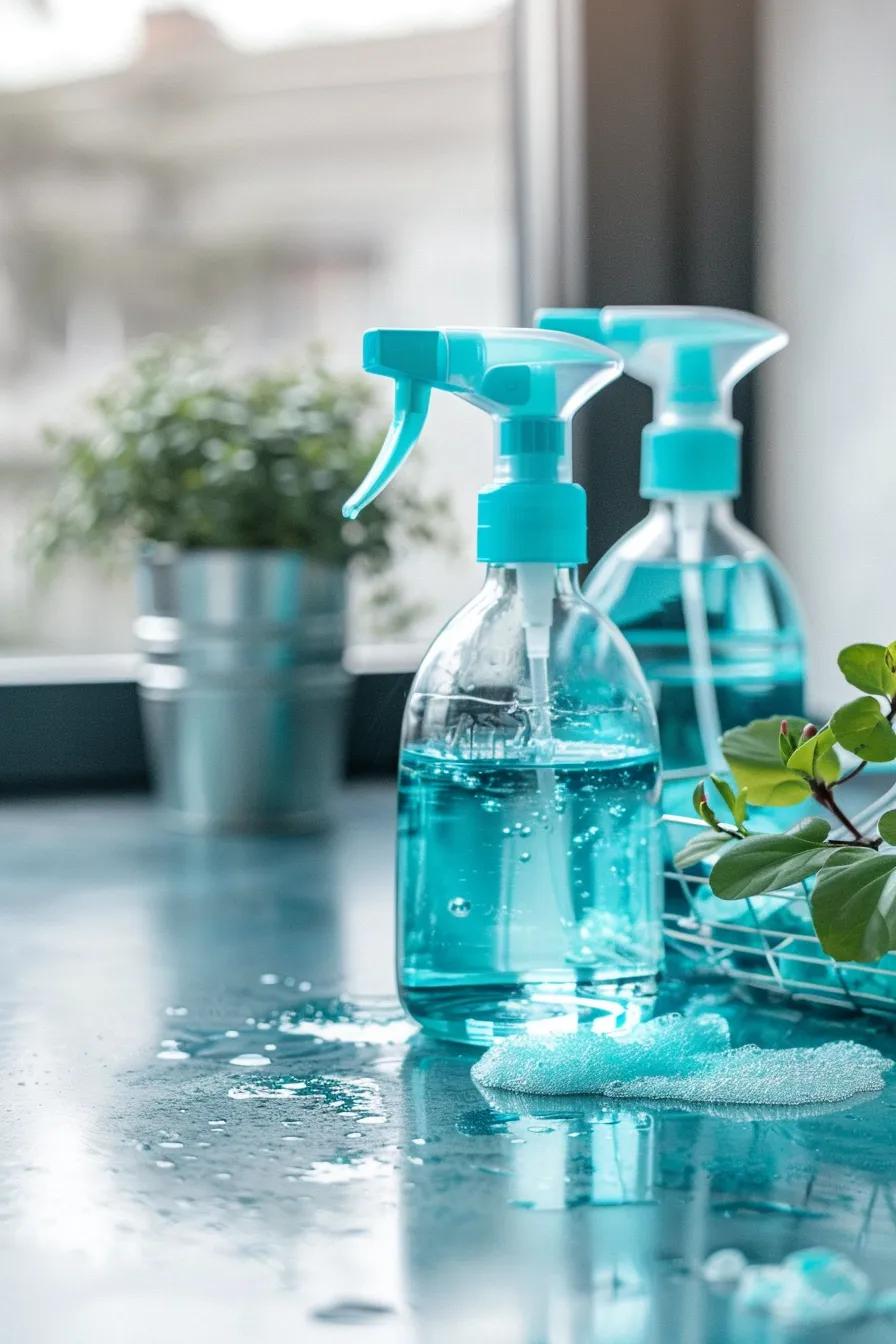
Choosing between deodorizing treatments and traditional cleaners depends on the odor source, the material affected, occupant sensitivity to VOCs, and budget or turnaround needs. Deodorizing treatments excel when odors are embedded in carpets, upholstery, or HVAC systems, or when the source is organic and requires molecular breakdown for lasting resolution. Traditional cleaners make sense for visible spills, surface grease, or routine maintenance when the odor source is removable and occupants can tolerate short-term ventilation. Evaluate effectiveness, safety profiles, and expected longevity to decide: neutralize at the source when persistence and IAQ matter; use conventional cleaning for superficial soils and maintenance cleaning.
How Do Effectiveness, Safety, and Longevity Compare Between These Methods?
The following comparison provides a concise entity-attribute-value view contrasting deodorizing treatments and traditional cleaners to guide decisions on effectiveness, VOC risk, cost, and best-use scenarios.
| Approach | Effectiveness | Safety (VOCs) | Longevity | Best-Use Scenario |
|---|---|---|---|---|
| Deodorizing Treatments | High for embedded organic and persistent odors | Low-VOC options available (eco-friendly enzymes) | Longer-lasting; addresses source | Pet urine, smoke penetration, HVAC odors |
| Traditional Cleaners | High for visible soil; variable for odor | Some formulations have higher VOCs and irritants | Shorter if masking agents used | Surface spills, routine maintenance, grease |
This EAV-style table shows that deodorizing treatments generally outperform traditional cleaners for persistent odors and IAQ-sensitive settings, while traditional cleaners remain useful for visible soil removal and routine upkeep.
When Should You Choose Professional Deodorizing Services Over DIY or Traditional Cleaners?
Professional deodorizing is recommended when odors persist after thorough cleaning, when multiple occupants report IAQ issues, when HVAC systems are implicated, or when rental turnover and commercial presentation require reliable results. Signs that indicate professional intervention include recurrence of odor after multiple DIY attempts, visible staining that indicates deep penetration, or widespread smoke and mildew odors that suggest ductwork contamination. Professionals bring specialized tools like HEPA filtration for air cleaning and ATP meters for objective cleanliness verification, which improves confidence in outcomes. For Ottawa properties facing stubborn pet or smoke odors, integrating carpet/upholstery deodorizing with air duct treatment often provides the most durable solution and reduces tenant or guest complaints.
- Hire professionals when odors persist after standard cleaning and ventilation.
- Choose pro services for large areas, commercial spaces, or when IAQ-sensitive occupants are present.
- Consider professional verification (ATP testing) and HEPA-based air care to quantify improvements.
These decision points naturally lead to practical maintenance strategies you can adopt to prevent odor recurrence.
How Can You Maintain a Fresh, Odor-Free Environment Long-Term?
Maintaining long-term freshness relies on source control, routine cleaning, moisture management, and improving ventilation and filtration to reduce airborne odor molecules and VOCs. Regularly addressing spills quickly, scheduling deep-cleaning for carpets and upholstery, and maintaining HVAC systems prevent buildup that leads to persistent odors. Combining low-VOC products with mechanical ventilation and HEPA filtration reduces the background load of airborne contaminants, which supports longer-lasting odor control. For property managers and homeowners, establishing predictable maintenance intervals and documenting IAQ improvements helps catch issues before they become entrenched.
What Are the Best Practices for Preventing Odors in Homes and Offices?
Effective prevention blends daily habits with scheduled professional services to keep odor sources from taking hold and to preserve indoor air quality. Prompt cleanup of organic spills using enzyme-based spot treatments prevents biochemical residues from becoming embedded. Regular vacuuming with a HEPA-equipped vacuum, scheduled carpet and upholstery deep-cleaning, and periodic air duct inspection reduce reservoirs of trapped odor precursors. Moisture control — repairing leaks and using dehumidification where needed — prevents microbial growth that produces musty smells. Implementing these actions as part of a routine maintenance plan minimizes the need for intensive deodorizing interventions later.
- Clean organic spills promptly with enzyme-friendly products to stop odor formation.
- Vacuum and deep-clean soft surfaces on a regular schedule to remove trapped residues.
- Maintain HVAC filters and consider HEPA filtration to reduce airborne particulates and odor molecules.
How Does Improving Indoor Air Quality Support Odor Control?
Improving indoor air quality (IAQ) reduces airborne odor carriers, lowers VOC concentrations, and supports occupant health, all of which make odor control both easier and more reliable. Increased ventilation dilutes odorant concentration, while filtration — especially HEPA filtration — removes particulate-bound odor precursors and reduces dust reservoirs that adsorb molecules. Source removal combined with IAQ improvements interrupts the cycle where trapped residues continuously off-gas into conditioned spaces. For spaces with sensitive occupants or commercial expectations, pairing source-focused cleaning with HEPA-grade filtration and verified cleaning metrics provides measurable IAQ and odor control benefits.
| Service | Attribute | Application |
|---|---|---|
| HEPA Filtration | Captures fine particulates | Reduces airborne carriers of odor molecules |
| Regular HVAC Maintenance | Prevents microbial growth | Minimizes duct-related odor sources |
| ATP Measurement | Objective cleanliness metric | Confirms cleaning effectiveness and guides follow-up |
This table underscores how IAQ-focused practices function as part of a comprehensive odor control program and when professional input is most valuable.
Why Choose M2 Cleaning Services for Eco-Friendly and Effective Odor Removal?
M2 Cleaning Services positions itself as an Ottawa-based, eco-friendly cleaning provider that combines targeted deodorizing treatments with evidence-driven verification to address persistent odors across carpets, upholstery, and air systems. Their service portfolio, as noted in public service descriptions, includes Light Deodorizing Treatment and Odor Neutralizing Treatment tailored to different severity levels and substrates. M2 emphasizes eco-friendly practices using natural, biodegradable substances, pairs treatments with HEPA-capable air care to improve indoor air quality, and uses ATP meters to verify cleanliness where appropriate. This health-first, measurable approach supports safer, longer-lasting odor control for residential and commercial clients in the Ottawa area.
How Does M2’s Eco-Friendly Approach Protect Your Health and Environment?
M2’s eco-friendly focus reduces occupant exposure to high-VOC cleaning chemistries by selecting biodegradable formulations and integrating HEPA filtration during interventions to limit airborne particulates. Reduced VOC exposure supports better short-term comfort and aligns with contemporary IAQ priorities for families, pets, and employees. The use of ATP meters provides objective evidence of surface cleanliness, helping quantify improvements and inform follow-up treatments without relying solely on scent perception. These practices reflect a safety-first methodology that prioritizes durable odor neutralization while minimizing collateral environmental and health impacts.
- Biodegradable products lower VOC contributions to indoor air.
- HEPA filtration and careful ventilation reduce secondary airborne risks.
- ATP testing offers measurable verification that treatments removed biological residues.
These attributes make eco-friendly protocols effective for sensitive environments and help inform client expectations before scheduling services.
What Do Ottawa Customers Say About M2’s Odor Neutralizing Treatments?
Local testimonials and case studies are referenced publicly to demonstrate M2’s results in addressing a range of odor challenges, providing area-specific proof points without inventing individual claims. Ottawa-based clients commonly seek solutions for pet odors, smoke remediation, and odor issues tied to HVAC systems; case studies and documented verification are available to prospective customers who request references. Prospective clients are encouraged to review posted case evidence and ask for measurable before-and-after metrics when discussing a service plan, ensuring alignment between expected outcomes and chosen treatments.
- Local case studies illustrate common scenarios and treatment pathways.
- Prospective customers can request references or before/after metrics when booking.
- Objective verification builds confidence in treatment selection and outcomes.
For Ottawa property owners and managers facing persistent odor issues, M2’s combination of eco-friendly treatments, HEPA air care, and ATP verification provides a structured path from diagnosis to measurable resolution and supports requests for free estimates consistent with service intent.
Technologies for Deodorizing Malodorous Gases: A Comprehensive Overview
There is an increasing number of citizens’ complaints about odor nuisance due to production or service activity. High social awareness imposes pressure on entrepreneurs and service providers forcing them to undertake effective steps aimed at minimization of the effects of their activity, also with respect to emission of malodorous substances. The article presents information about various technologies used for gas deodorization. Known solutions can be included into two groups: technologies offering prevention of emissions, and methodological solutions that enable removal of malodorous substances from the stream of emitted gases. It is obvious that the selection of deodorization technologies is conditioned by many factors, and it should be preceded by an in-depth analysis of possibilities and limitations offered by various solutions. The aim of the article is presentation of the available gas deodorization technologies as to facilitate the potential investors with selection of the method of malodorous gases emission limitation, suitable for particular conditions.
Technologies for deodorization of malodorous gases, I Wysocka, 2019
The selection of appropriate deodorization technologies is crucial and should be preceded by an in-depth analysis of the possibilities and limitations offered by various solutions.
Textile Cleaning and Odour Removal: Comparing Dry vs. Wet Cleaning
Factors that impact cleaning efficiency of soils and odours. Dry-cleaning is less efficient in odour removal than regular water-cleaning. Textiles—Professional care, drycleaning and wetcleaning of textiles.
Textile Cleaning and Odour Removal, K Laitala, 2022
Frequently Asked Questions
What are the benefits of using enzyme-based deodorizers over traditional cleaners?
Enzyme-based deodorizers offer several advantages compared to traditional cleaners. They work by breaking down organic odor-causing molecules into harmless substances like water and carbon dioxide, effectively eliminating the source of the smell. Unlike traditional cleaners that may only mask odors, enzyme treatments provide a more permanent solution. Additionally, many enzyme-based products are eco-friendly and low in volatile organic compounds (VOCs), making them safer for indoor air quality. This makes them particularly suitable for households with pets or sensitive individuals.
How can I tell if a deodorizing treatment is effective?
To determine the effectiveness of a deodorizing treatment, look for measurable outcomes such as a noticeable reduction in odor intensity and improved indoor air quality. Professional services often use ATP meters to quantify cleanliness before and after treatment, providing objective evidence of effectiveness. Additionally, consider the longevity of the results; effective treatments should prevent odors from returning quickly. Customer testimonials and case studies can also offer insights into the success of specific deodorizing methods in similar situations.
Are there any risks associated with using traditional cleaners?
Yes, traditional cleaners can pose several risks, particularly due to their chemical compositions. Many contain volatile organic compounds (VOCs) that can contribute to indoor air pollution and cause respiratory issues, headaches, or skin irritation. Mixing certain cleaners, like bleach and ammonia, can produce toxic fumes. Furthermore, while they may remove visible dirt, they often fail to eliminate embedded odors, leading to a false sense of cleanliness. It’s essential to use these products in well-ventilated areas and consider safer, eco-friendly alternatives when possible.
What maintenance practices can help prevent odors from returning?
To prevent odors from returning, establish a routine maintenance plan that includes regular cleaning and moisture control. Promptly address spills using enzyme-based cleaners to prevent organic residues from embedding. Schedule deep cleaning for carpets and upholstery, and maintain HVAC systems to minimize odor sources. Additionally, improve ventilation and consider using HEPA filters to capture airborne particles that can carry odors. Implementing these practices can significantly reduce the likelihood of persistent odors and enhance overall indoor air quality.
How do I choose between DIY deodorizing methods and professional services?
Choosing between DIY deodorizing methods and professional services depends on the severity of the odor issue and your comfort level with cleaning techniques. DIY methods can be effective for minor spills or surface odors, especially when using enzyme-based products. However, if odors persist after multiple attempts, or if they are deeply embedded in carpets or HVAC systems, professional services may be necessary. Professionals have access to specialized equipment and expertise to ensure thorough odor removal, making them a better choice for complex or persistent odor problems.
What should I look for in an eco-friendly deodorizing treatment?
When selecting an eco-friendly deodorizing treatment, look for products that are biodegradable and low in volatile organic compounds (VOCs). Check for certifications or labels indicating environmental safety and non-toxicity. Effective eco-friendly treatments should utilize natural ingredients, such as enzymes or plant-based compounds, to break down odors without harmful side effects. Additionally, consider the product’s application method and whether it has been tested for effectiveness in real-world scenarios, ensuring it meets your specific odor removal needs.
Conclusion
Choosing the right deodorizing treatment can significantly enhance indoor air quality by effectively neutralizing persistent odors at their source. Unlike traditional cleaners that often mask smells, these targeted solutions provide lasting relief and promote a healthier living environment. For those facing stubborn odor challenges, exploring professional services like M2 Cleaning can lead to measurable improvements. Take the first step towards a fresher space by contacting us for a consultation today.