Top Effective Techniques for Eliminating Tough Stains From Carpets and Rugs Easily

Carpet and rug owners often face stubborn, set-in stains that resist simple spot-cleaning and leave lingering odors or fiber damage. This guide explains what makes a stain “tough” — chemical bonding, pigment molecules, oil entrapment, and enzymatic residues — and presents practical, step-by-step methods to remove fresh spills, treat old set-in marks, and decide when to hire professional help. You will learn DIY first-aid for common spills, advanced techniques such as enzyme treatments and deep steam extraction, eco-friendly product classes that work for specific stain chemistries, and a clear decision checklist for escalating to professional services. The article also includes quick-reference tables for fresh stains, a comparison of advanced techniques, prevention schedules to protect carpets and rugs, and actionable maintenance routines for homes, rentals, and commercial spaces. Throughout, target phrases like how to remove tough stains from carpet, best way to remove set-in carpet stains, and eco-friendly carpet stain remover are used to help you find the right approach for each scenario.
What Are the Most Common Tough Stains on Carpets and Rugs?
Tough carpet stains are those that chemically bind to fibers, oxidize, or leave oily residues that attract additional dirt; they become harder to remove as they age and penetrate pile and backing. Common persistent stains include pet urine (organic and odorous), red wine and other pigmented liquids, coffee and tea tannins, grease and oil, blood, dye and ink, and paint; each challenges cleaners for different reasons and often requires a different approach. Understanding which stains are most damaging helps prioritize immediate actions and choose between solvent, enzymatic, or oxidizing treatments. The following list highlights typical tough stains and one-line immediate actions to reduce permanent damage while preparing for full treatment.
- Pet urine: Blot liquid, then use enzyme treatment to neutralize odor and organic residues.
- Red wine: Blot, apply absorbent (club soda or baking soda), then use oxygen-based spotter.
- Coffee/tea: Blot and apply mild detergent solution; avoid heat that fixes tannins.
- Grease/oil: Blot excess, apply solvent or dish soap to emulsify oils before rinsing.
These immediate actions reduce stain set-in and prepare fabrics for deeper interventions, which we will cover next in do-it-yourself techniques and first-aid steps.
Which Stains Cause the Most Damage to Carpet Fibers?
Some stains not only discolor but chemically degrade fibers, accelerating wear and creating permanent cosmetic defects if not treated promptly. Acidic spills and oxidative agents can weaken natural fibers like wool, while oils embed in synthetic and natural fibers alike and attract soil that abrades the pile when walked on. Organic residues such as pet urine also lead to yellowing and persistent odor because they break down and leave salts that discolor fibers over time. Immediate mitigation—blotting, testing a safe cleaner on an inconspicuous area, and avoiding heat—is crucial to limit chemical reactions and protect fiber integrity.
Prompt action reduces the chance a stain becomes irreversible, and recognizing the damage mechanism informs the next choice of cleaner—enzyme for organic breakdown, solvent for oil, or oxygen-based oxidizer for pigments—which leads us into stain-specific treatment differences.
How Do Pet, Red Wine, Coffee, and Grease Stains Differ?
Each major stain category differs in chemistry, visibility cues, and the recommended first-aid approach, so matching treatment to stain type improves success and lowers risk to fibers. Pet stains are biologic and odorous, marked by discoloration and smell, and often require enzymatic cleaners to digest proteins and neutralize odor molecules; red wine deposits pigmented chromophores that respond to absorbents and oxygen-based oxidizers rather than simple detergents. Coffee and tea leave tannin stains that are acid-sensitive and often respond to mild detergent or alkaline spotters depending on the carpet fiber and dye stability. Grease and oil are hydrophobic and demand solvents or surfactant-rich cleaners that emulsify oils for extraction rather than water-only techniques.
Recognizing these differences lets you pick a targeted remedy that avoids common mistakes—like using heat on tannins or water on oil—so in the next section we outline safe DIY first-aid and homemade removers for fresh spills.
How Can You Remove Fresh Carpet and Rug Stains Using DIY Methods?
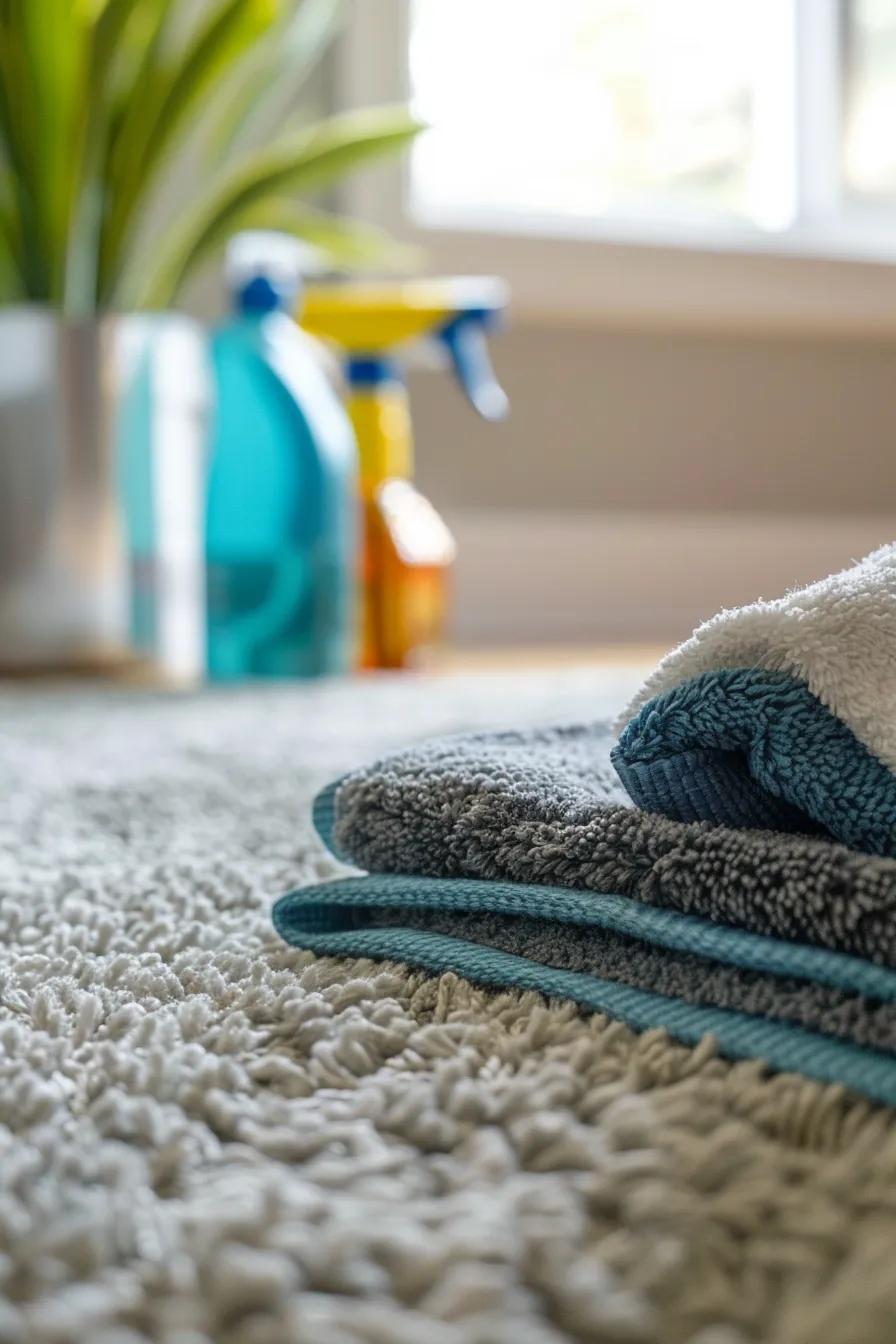
Removing fresh stains relies on quick, controlled action: stop the spread, lift as much material as possible, and use the right household chemistry to neutralize the stain without damaging dyes or fibers. The general mechanism is absorption and dilution followed by targeted chemistry—surfactants to lift oily residues, enzymes to break down biological matter, and oxidizers to attack pigments—then thorough extraction to avoid residue. Proper technique (blot—don’t rub; test in an inconspicuous area; work from outside in) maximizes the chance of full removal and prevents spreading.
The steps below give a practical first-aid protocol to handle most new spills immediately.
- Materials checklist: Clean microfiber cloths, absorbent paper or towel, club soda or water, mild dish soap, baking soda, white vinegar, spray bottle, and a vacuum.
- Initial blotting: Remove excess solids/liquids gently with a clean cloth, pressing rather than rubbing to avoid pushing stain deeper.
- Apply appropriate solution: Use club soda or diluted dish soap for many beverages, enzyme cleaner for pet incidents, and a baking soda paste for oily residues before vacuuming.
- Rinse and extract: Blot with clean water to remove detergent residue, then dry with cloths and air; repeat if needed but avoid excessive wetting.
If the stain persists after two careful attempts with appropriate DIY methods, escalation to advanced techniques or professional help may be necessary; the next table summarizes quick-action matches for common fresh stains.
Intro to the quick-reference table: The following table helps you match fresh stain types to immediate DIY actions and recommended household supplies for the fastest, safest first response.
| Stain Type | Immediate DIY Action | Recommended DIY Supply/Product |
|---|---|---|
| Pet urine | Blot, apply enzyme cleaner after blotting | Enzyme cleaner or baking soda + vinegar for odor control |
| Red wine | Blot, apply absorbent and oxygen-based spotter | Club soda, baking soda, oxygen-based cleaner |
| Coffee/tea | Blot, mild detergent rinse, avoid heat | Mild dish soap solution and water |
| Grease/oil | Blot, apply surfactant or solvent-safe spotter | Dish soap or solvent-based spot remover |
| Blood | Blot with cold water, enzyme treatment if needed | Cold water + enzyme cleaner |
What Are the Best Homemade Rug Stain Removers?
Several homemade mixes provide safe, effective options for fresh stains when used with appropriate fiber testing and restraint. A common multipurpose solution is a few drops of mild dish soap in warm water to act as a surfactant against food and beverage stains; for acidic or tannin stains, a diluted white vinegar rinse followed by detergent can neutralize residues without harsh oxidizers. Baking soda forms an absorbent paste that lifts pigment and neutralizes odors when combined with water; oxygen-based cleaners (sodium percarbonate) work well for pigment lift but should be patch-tested for dyefastness. Always test on an inconspicuous corner and avoid hydrogen peroxide on dyed or proteinaceous stains unless you are sure the fiber tolerates it.
Choosing the right homemade remover depends on fiber type—nylon and polyester tolerate more aggressive cleaning than wool or silk—and appropriate testing prevents dye loss, which we discuss next as step-by-step first-aid techniques.
What Are Step-by-Step DIY Techniques for Blotting and Treating Fresh Stains?
A reliable first-aid sequence reduces damage and prepares the stain for deeper treatment if necessary, following a clear order of operations that minimizes risk to dyes and backing. Begin by removing solids and absorbing liquid without rubbing, then apply the mildest effective cleaner, working from outside toward the center to avoid spreading, and finish by rinsing and extracting to prevent residue. Timing matters: allow enzymatic cleaners sufficient dwell time for biological stains, and avoid heat during any stage that could fix pigments.
- Collect materials and test: Prepare clean cloths, dilute cleaner, and test in an unseen area.
- Blot and absorb: Press to lift liquid; use absorbent powder (baking soda) for extra pull.
- Apply cleaner and dwell: Use the appropriate solution with gentle agitation and 5–10 minutes dwell time.
- Rinse and extract: Blot with clean water until soap is removed, then dry.
If the stain does not respond after two careful cycles of this protocol, further treatment using advanced methods is often required, which we address in professional decision guidance.
When Should You Call Professional Carpet Stain Removal Services?
You should call a professional when a stain is old and set-in, large or widespread, has permeated backing or padding, emits persistent odor after DIY attempts, or affects delicate or high-value fibers where DIY risks damage. Professionals bring equipment and training—industrial-grade hot water extraction, targeted enzyme applications, and safe oxidizers—that reach deeper into pile and backing, often yielding superior cosmetic and hygienic results. Another trigger is recurring staining that suggests ongoing contamination or pet behavior issues requiring odor elimination rather than cosmetic touch-up. Use the following decision checklist to determine if it is time to escalate.
- Age of stain: Stains older than 48–72 hours or previously heat-treated are candidates for professional attention.
- Odor or biohazard: Persistent urine or biological odors that DIY cannot neutralize.
- Fiber sensitivity or warranty concerns: Delicate fibers or carpet warranties that require professional-certified treatments.
Choosing a pro also helps when large or multiple stains exist in high-traffic or commercial settings where downtime and turnaround matter. After understanding the decision triggers, it’s useful to compare concrete benefits of hiring experts versus continuing DIY efforts.
What Are the Benefits of Professional Stain Removal Over DIY Methods?
Professional services deliver outcomes beyond typical household capabilities because they combine verified methods, higher-temperature extraction, and specialized chemistries designed for different stains and fiber types. Technicians use deep steam extraction (hot water extraction) to dissolve and flush embedded residues, enzyme systems for organic compounds, and controlled oxidizers for pigments, often achieving greater lift and odor removal. Professionals can also perform safe test spots, advise on fiber-appropriate chemistry, and handle restoration where padding or backing has been compromised. For property managers and short-term rental operators, professionals reduce downtime and provide consistent, verifiable results that align with turnover schedules.
These advantages translate into measurable benefits—deeper cleaning, reduced allergen load, and longer carpet life—leading many owners to prefer professional intervention for severe, set-in, or odorous stains. Given those benefits, below we introduce how some local providers implement eco-friendly verification tools and advanced equipment.
How Does M2 Cleaning Services Use Eco-Friendly Techniques and Advanced Tools?
M2 Cleaning Services is based in Ottawa and positions itself as an eco-friendly cleaning provider for residential and commercial clients, emphasizing healthier, safer spaces through eco-friendly products. The company highlights the use of HEPA air systems and ATP meters for verification, which supports measurable validation of cleaning outcomes without relying solely on visual inspection. M2 Cleaning Services frames its customer approach as “trusted family partners” and operates an “Ask M2” referral feature to connect clients with other local professionals. Service descriptions and testimonials emphasize targeted stain removal and deep cleaning services, aligning verification tools with results-focused treatments. (m2cleaningservices.com)
These specific, locally focused capabilities offer homeowners and property managers a documented pathway from targeted stain removal to verified indoor air and surface cleanliness, and they set the stage for the advanced techniques described in the following section.
What Are Advanced Techniques for Removing Old and Set-In Carpet Stains?
Old, set-in stains usually require combined approaches that alter chemical bonds or physically remove embedded residues from pile and backing, including deep steam extraction, enzyme remediation, oxidation treatments, and mechanical agitation when appropriate. The mechanism behind hot water extraction is heat and detergent loosening soils and emulsifying oils, followed by high-pressure suction that pulls contaminants into recovery tanks; enzyme treatments target organic molecules and break them into soluble fragments, while oxygen-based oxidizers break down chromophores in pigmented stains. Selecting the right technique depends on stain chemistry, fiber type, and prior treatments; multiple methods are often combined for the best result.
| Technique | Mechanism/Attribute | Best-For (Value – stain types) |
|---|---|---|
| Deep steam extraction (hot water) | Heat + detergent dissolves soils, extraction removes residues | General deep-cleaning, set-in dirt, many pigment and organic stains |
| Enzyme treatment | Bio-enzymes digest proteins and organic matter into soluble components | Pet urine, blood, food stains with odor |
| Oxidation (oxygen-based) | Breaks pigment chromophores into colorless molecules | Red wine, dye, certain inks and pigmented spills |
| Solvent / surfactant spotters | Emulsify and lift oils without dispersing dyes | Grease, oil, cosmetics |
How Does Deep Steam Cleaning Effectively Eliminate Stubborn Stains?
Deep steam cleaning, commonly called hot water extraction, works by injecting hot water mixed with appropriate detergents into carpet fiber and backing under pressure, breaking the bond between soil and fiber and allowing immediate extraction to remove loosened material. The heat increases solubility of oils and softens dried residues, while detergents lower surface tension so contaminants suspend in solution rather than reattaching to fibers. Rapid, powerful vacuum recovery is essential to remove the emulsified soiling and cleaning solution; proper drying afterward prevents re-soiling and mold risk. For best outcomes, professionals may combine steam extraction with targeted pre-sprays, enzyme treatments for organic stains, and post-treatment neutralizers for balanced pH.
When deep steam extraction is not sufficient—such as with chemically altered dyes or fiber damage—oxidation or controlled solvent interventions may be necessary, which we cover next along with eco-friendly product classes.
Which Eco-Friendly Products Work Best for Tough Stain Removal?
Eco-friendly stain solutions include enzyme-based cleaners for organic stains, oxygen-based cleaners that release active oxygen for pigment breakdown, and plant-derived surfactants that emulsify oils with lower toxicity and better biodegradability. Enzyme cleaners target proteins and uric salts in pet stains without harsh solvents, while oxygen-based (sodium percarbonate) products lift chromophores with minimal residual toxicity when used per instructions. Biodegradable surfactants and solvent alternatives allow safe oil emulsification on many synthetic carpets; however, fiber and dye compatibility must be confirmed with a test spot to avoid color change. These green options balance human and indoor air quality benefits with practical stain removal capabilities.
Choosing the right eco-friendly class for the right stain preserves indoor air quality and aligns with contemporary expectations for safe home and commercial cleaning, and now we turn to prevention and maintenance to reduce stain incidence.
How Can You Prevent Tough Stains and Maintain a Clean Carpet or Rug?
Prevention reduces the need for aggressive interventions and extends carpet life by minimizing abrasive soil and chemical exposure; practical measures include entry mats, no-shoes policies, designated eating zones, and accessible spot-cleaning kits. Routine maintenance—regular vacuuming with HEPA-filtered vacuums, prompt spot response, and scheduled professional deep cleaning—keeps soils from embedding and fibers from abrading, preserving warranty terms and aesthetic life. For commercial and short-term rental managers, policies and signage plus quick-response contracts minimize downtime and staining incidents. Below is a table that quantifies preventative measures, cost/frequency, and expected benefit to help choose an appropriate maintenance plan.
| Preventative Measure | Frequency / Cost | Benefit / Effectiveness |
|---|---|---|
| Vacuum with HEPA filter | Weekly to daily / Low cost | Removes loose soil and allergens; high effectiveness |
| Entry mats and runner placement | Continuous / Low cost | Traps dirt at doorway; reduces tracked-in soils significantly |
| Professional deep cleaning | 6–18 months / Moderate cost | Removes embedded soils and restores pile; high effectiveness |
| Accessible spot kit (cloths, enzyme spray) | On-demand / Low cost | Rapid response reduces set-in risk; medium effectiveness |
What Are Practical Tips to Avoid Carpet Stains in Homes and Businesses?
Simple, audience-specific policies and small investments greatly reduce stain incidents across diverse settings such as family homes, office spaces, and short-term rentals. For pet owners, designate potty training zones, use waterproof mats under bowls, and keep enzyme cleaners on hand for immediate treatment; for rentals, supply a spot-cleaning kit and clear house rules about food and drink policies. In commercial areas, place mats at entries, schedule more frequent vacuuming in high-traffic paths, and use durable area rugs in performance zones. These pragmatic measures require little expense but significantly decrease long-term cleaning costs and increase tenant or guest satisfaction.
How Does Routine Carpet Care Extend Carpet Life and Reduce Stains?
Routine care—frequent vacuuming, immediate spot treatment, and scheduled professional deep cleaning—prevents soil from embedding and fibers from abrading, effectively delaying the need for replacement and maintaining warranty compliance for many carpet products. Regular vacuuming removes loose particles that act like sandpaper underfoot, while periodic professional extraction flushes oils and residues that vacuuming cannot remove; together these actions reduce the frequency and severity of stains. A practical timetable is weekly vacuuming for households, more frequent cleaning for pets or commercial traffic, and professional deep cleaning every 6–18 months depending on use. Over time, this regimen lowers total lifecycle cost by preserving pile, color, and indoor air quality.
Following routine care also supports allergy management and improves the effectiveness of any preventive policies such as mats and spot kits, and it informs decisions about specialty stain removal when those events occur.
Frequently Asked Questions
What are the best practices for maintaining carpets to prevent tough stains?
To maintain carpets and prevent tough stains, implement a routine care schedule that includes regular vacuuming with a HEPA filter to remove loose dirt and allergens. Use entry mats to trap dirt at doorways and establish no-shoes policies to minimize tracked-in soil. Designate specific areas for eating and drinking, and keep a spot-cleaning kit accessible for immediate response to spills. Additionally, schedule professional deep cleaning every 6 to 18 months to remove embedded soils and restore the carpet’s appearance, ensuring longevity and maintaining warranty compliance.
How can I effectively treat old stains that have set into my carpet?
For old, set-in stains, start with a targeted pretreatment that matches the stain’s chemistry—use enzyme cleaners for organic stains, solvents for oils, and oxygen-based cleaners for pigments. After pretreatment, employ deep steam extraction to remove loosened residues effectively. This combined approach is often more successful than single treatments, as it weakens chemical bonds and extracts the resulting soluble material. If the stain persists after these methods, consider consulting a professional for advanced cleaning techniques tailored to your specific carpet type and stain.
Are there specific eco-friendly products recommended for tough stain removal?
Yes, several eco-friendly products are effective for tough stain removal. Enzyme-based cleaners are excellent for breaking down organic stains, while oxygen-based cleaners can safely oxidize pigments. Plant-derived surfactants are also effective for emulsifying oils without harsh chemicals. When using these products, it’s essential to match them to the specific stain type and test on an inconspicuous area to ensure compatibility with your carpet fibers. These green options not only help with stain removal but also support healthier indoor air quality.
What should I do if my DIY stain removal attempts fail?
If your DIY stain removal attempts fail after two careful tries, it may be time to consult a professional cleaning service. Professionals have access to industrial-grade equipment and specialized cleaning solutions that can effectively address stubborn stains. They can evaluate the type of stain, the carpet material, and any previous treatments to determine the best course of action. Additionally, they can provide deep cleaning services that not only remove stains but also improve the overall hygiene and appearance of your carpets.
How can I identify the right cleaning method for different types of stains?
Identifying the right cleaning method for different types of stains involves understanding the stain’s chemistry. For example, organic stains like pet urine require enzyme cleaners to break down proteins, while pigmented stains from red wine or coffee respond well to oxygen-based cleaners. Grease and oil stains need solvent-based products that can emulsify the oils. Always test any cleaning solution on an inconspicuous area first to ensure it won’t damage the carpet fibers or dyes. This targeted approach maximizes the chances of successful stain removal.
What are the signs that I should hire a professional for carpet cleaning?
Signs that you should hire a professional for carpet cleaning include persistent odors that DIY methods cannot neutralize, large or widespread stains, and stains that have set in for more than 48–72 hours. Additionally, if the stain has penetrated the carpet backing or padding, or if you are dealing with delicate or high-value fibers, professional intervention is advisable. Professionals can provide specialized treatments and equipment that reach deeper into the carpet, ensuring thorough cleaning and restoration.
What Is the Best Method for Removing Old, Tough Stains From Carpets?
The best method for removing old, tough stains typically combines a targeted pretreatment that matches stain chemistry (enzyme for organic, solvent or surfactant for oils, oxygen-based for pigments) followed by professional deep steam extraction to remove loosened residues from pile and backing. Combining techniques tends to outperform single treatments because pretreatment weakens chemical bonds and extraction removes the resulting soluble material. Professionals will evaluate fiber type, prior home treatments, and stain age before selecting and sequencing methods to mitigate risk and maximize lift. In some cases—extensive dye damage or fiber degradation—replacement is the only reliable option.
This combined approach explains why professionals often start with targeted spotters and follow with full extraction, as described in the advanced techniques section earlier.
Are Eco-Friendly Carpet Stain Removers Effective?
Eco-friendly carpet stain removers are effective when matched to the stain class and applied correctly; enzyme cleaners handle organic matter and odors well, oxygen-based cleaners oxidize pigments safely at appropriate concentrations, and plant-derived surfactants emulsify oils without strong solvents. These green chemistries also support healthier indoor air quality and reduced chemical exposure for occupants and pets, which is beneficial for homes and sensitive environments. However, severe or long-set stains may require professional delivery of energy and extraction that amplifies the eco-friendly chemistry’s effectiveness; in those cases, combining green products with professional equipment yields the best practical results.
For reliable professional help, M2 Cleaning Services in Ottawa offers eco-focused stain removal and verification techniques—including HEPA air systems and ATP meters—to document outcomes and support healthier indoor spaces. You can request a free estimate or book a service directly to discuss targeted stain removal, deep steam cleaning, and eco-friendly verification options tailored to your carpet type and situation. (m2cleaningservices.com)
Treating Urine Stains on Vintage Textiles
Cat’s Got Your Nose: Treatment of Urine Staining on a Late 1920s Liberty and Co. Textile
When dealing with organic stains like pet urine, specialized treatments are often necessary to break down proteins and neutralize odors effectively. The effectiveness of these treatments can vary depending on the age and type of textile, as demonstrated in studies focusing on vintage materials.
Evaluating HEPA Vacuum and Hot Water Extraction for Carpet Cleaning
Routine carpet cleaning operations were simulated using high-efficiency particulate air (HEPA) filtered dry vacuum cleaners and HEPA-filtered hot water extraction cleaners on carpet
The efficacy of professional cleaning methods, particularly hot water extraction combined with HEPA filtration, has been studied for its ability to remove various contaminants from carpets.
Conclusion
Effectively removing tough stains from carpets and rugs not only restores their appearance but also prolongs their lifespan and enhances indoor air quality. By understanding the unique chemistry of different stains and employing the right techniques, you can achieve impressive results without damaging your fibers. For those challenging stains that resist DIY methods, professional services offer advanced solutions tailored to your specific needs. Explore our expert cleaning options today to ensure your carpets remain beautiful and fresh for years to come.