How to Choose the Right Commercial Cleaning Service for Your Business: Key Factors and Expert Guidance

Choosing the right commercial cleaning service directly affects employee health, customer perception, and long-term facility costs, so a methodical vetting process pays dividends. This guide shows business leaders how to evaluate experience, verify credentials, assess staff training and quality control, compare services and customization, weigh green cleaning benefits, and interpret pricing with long-term value in mind. Readers will learn concrete verification steps—what to ask for in references and certificates, how to read transparent quotes, and which technologies (like ATP meters and HEPA systems) deliver verifiable outcomes. The article maps practical decision points across seven core areas: experience and reputation; licensing, insurance, and bonding; staff training and quality control; services and customization; green cleaning practices; and pricing and value. By the end you’ll have a structured checklist and comparison tools that make it simple to compare commercial cleaning quotes and choose a reliable janitorial partner tailored to your facility type and risk profile.
What Experience and Reputation Should You Look for in a Commercial Cleaning Company?
Experience and reputation signal a provider’s ability to deliver consistent results and adapt processes to industry-specific needs, which reduces operational risk for your business. Look for evidence that a company has handled similar facility types—offices, clinics, retail spaces, or short-term rentals—and ask for case examples that demonstrate problem-solving around traffic patterns, infection control, or quick turnovers. Reviews and testimonials that include specifics—frequency of service, measurable outcomes, and recurring engagements—carry more weight than generic praise and are strong indicators of reliability. The next step is to vet those references and understand how track record translates into everyday quality control and responsiveness.
How Does a Proven Track Record Impact Your Cleaning Service Choice?
A proven track record reduces uncertainty by showing that the provider has refined procedures, supply chains, and staffing models that meet recurring needs and prevent service interruptions. When a company has repeat clients in your sector, it’s more likely to understand compliance nuances, peak scheduling challenges, and appropriate cleaning frequencies, improving efficiency and lowering complaint rates. Ask potential vendors for mini-case scenarios—how they handled a sudden contamination event, a weekend turnover, or equipment failure—and assess their documented outcomes. Understanding these scenarios helps you compare providers not just on price but on demonstrated operational resilience and result consistency.
What Client Testimonials and Reviews Demonstrate Reliability?
Meaningful testimonials include specific details such as the type of space cleaned, measurable improvements (e.g., reduced complaints or improved ATP readings), duration of the relationship, and named contacts for references. Red flags include an absence of recent or industry-specific testimonials, overly generic language, or anonymous reviews without dates or context. When contacting references, request targeted questions: how consistent were arrival times, how effectively did the company respond to issues, and was invoicing transparent and predictable. Verifying authenticity through direct reference checks and cross-referencing review platforms yields a clearer picture of a provider’s reputation and repeatability.
Why Are Licensing, Insurance, and Bonding Essential When Hiring Commercial Cleaners?

Licensing, insurance, and bonding protect your business from financial exposure and legal risk when third-party cleaners operate on your premises, and they demonstrate the provider’s commitment to professional standards. Liability insurance covers property damage and third-party injury claims, workers’ compensation covers staff injuries, and bonding can protect against theft or employee dishonesty. Requesting documentation such as a certificate of insurance (COI) and confirmed license numbers allows you to verify coverage and exclusions before signing a contract. The table below compares common credentials and the types of protection they provide, followed by practical verification steps to include in your vendor checklist.
Introductory verification checklist before reviewing the table:
- Request COI and confirm policy effective dates.
- Ask about bonding limits and theft protection clauses.
- Confirm any industry-specific permits for clinics or regulated facilities.
| Credential | What it Covers | What to Verify |
|---|---|---|
| General Liability Insurance | Third-party bodily injury, property damage | Coverage limits, COI on file, policy expiration |
| Workers’ Compensation | Employee medical costs and wage replacement | State-required coverage, active policy, claim process |
| Bonding (Fidelity Bond) | Protection against employee theft or dishonesty | Bond amount, covered scenarios, claim procedure |
| Business License / Permits | Legal authorization to operate and specific permits | License number, municipal/industry permits if required |
What Credentials Should a Trusted Commercial Cleaning Service Have?
A trusted provider carries active general liability insurance, workers’ compensation or equivalent, and where applicable a fidelity bond and business license, with documentation readily available for review. For regulated facilities—such as clinics—additional permits or compliance certifications may be required, and you should ask vendors whether they’ve worked under those standards before. When evaluating credentials, request a COI and check for coverage limits that align with the size and risk of your facility. Confirming these items protects your business from exposure and signals that a provider maintains professional risk management.
How Does Proper Insurance Protect Your Business?
Proper insurance mitigates financial risk from property damage, on-site injuries, or accidental contamination events that could otherwise result in costly claims or operational downtime. For instance, if a cleaning technician accidentally damages specialty equipment, liability coverage addresses repair or replacement costs rather than leaving your business responsible. Recommended verification steps include asking for minimum coverage thresholds, checking that your business is listed as an additional insured when required, and ensuring the COI reflects current policy dates. Confirming insurance details during the vetting phase prevents unpleasant surprises if an incident occurs.
How Important Is Staff Training and Quality Control in Commercial Cleaning Services?
Staff training and quality control are central to consistent, safe cleaning outcomes because they define how tasks are executed, how hazards are handled, and how performance is verified. Training ensures staff know disinfecting protocols, safe chemical handling, and equipment operation, while quality control processes—inspections, documented checklists, and verification tools—confirm work meets standards. The presence of structured onboarding and continuing education reduces mistakes and supports compliance, which is especially important in clinics or high-traffic office environments. Robust QA then ties training to measurable results through scheduled audits and performance metrics.
What Training Programs Ensure Professional Cleaning Staff?
Effective training programs combine onboarding for safety and equipment use, task-specific instruction for disinfection and surface handling, and periodic refreshers on regulatory updates and green cleaning protocols. Practical indicators that a company invests in staff development include documented training modules, certificates for specialized practices, and supervisory coaching. Ask vendors for training outlines and how they measure competence—through quizzes, supervised shifts, or certification renewals—and verify that background checks and supervisory oversight are part of standard hiring practices. These practices reduce liability and improve operational consistency.
How Do Quality Control Processes Guarantee Cleaning Standards?
Quality control typically includes supervisor inspections, client-facing checklists, corrective action workflows, and verification tools such as ATP meters that measure surface cleanliness quantitatively. A predictable QA cycle ties scheduled inspections to documented outcomes and corrective steps when standards slip, while client feedback loops ensure service recovery and continuous improvement. Request examples of QA reports or templates and inquire how frequently supervisors perform spot checks; demand transparent reporting so you can correlate quality control activities with service reliability. Quantifiable verification, such as ATP readings recorded before and after cleaning, provides objective proof of effectiveness.
What Services and Customization Options Should You Expect from a Commercial Cleaning Company?
A professional commercial cleaner offers a core suite of services—regular office cleaning, floor and carpet care, restroom sanitation—plus specialized options that match business needs like mattress sanitation for rentals or clinical-grade disinfection for healthcare settings. Customization should allow for frequency adjustments, after-hours or weekend scheduling, and add-on services that address unique facility demands. Below is a comparison table of sample package types and typical inclusions to help you match offerings to square footage and operational needs.
Intro paragraph before package table: Use this table to compare sample service packages and typical inclusions that many businesses require when assessing fit.
| Package | Typical Scope | Best For |
|---|---|---|
| Office Refresh | Up to 750 sq ft: surface dusting, light carpet touch-up, deodorizing | Small office suites and satellite spaces |
| Reception and Waiting Area Refresh | Surface sanitization, upholstery touch-ups, high-touch surface disinfection | Retail or medical reception zones |
| Short-Term Rental Refresh | Turnover cleaning, linen handling coordination, mattress sanitation options | Airbnb/VRBO and furnished rentals |
- Core services businesses should expect include regular surface cleaning, restroom sanitation, trash removal, and floor maintenance.
- Specialized add-ons might include carpet steam cleaning, upholstery touch-ups, mattress sanitation, and odor neutralizing.
- Scheduling flexibility—after-hours, weekends, and quick-turn services—ensures operations aren’t disrupted.
Summary: When evaluating providers, match package scope to traffic patterns and operational windows, then confirm the vendor’s ability to scale frequency and add specialized options as needs change.
How Can Tailored Cleaning Plans Meet Your Business Needs?
Tailored plans start with an assessment of your space, traffic patterns, and risk areas, then align cleaning frequency, scope, and staffing levels to those findings to control cost while protecting hygiene. Questions that drive a tailored plan include peak hours, high-touch zones, sensitive equipment, and turnover schedules for rentals or clinics. Tailoring also covers after-hours or weekend service to avoid operational disruption and defines escalation protocols for urgent requests. A clear plan ties service frequency to outcomes and provides a roadmap for periodic reassessment as your business evolves.
Which Specialized Cleaning Services Add Value to Your Commercial Space?
Specialized services deliver targeted value where general cleaning isn’t sufficient—carpet and upholstery deep cleaning extend material life, mattress sanitation reduces allergens in rentals, and odor neutralizing improves guest experience. For clinics and healthcare-related spaces, enhanced disinfection or clinical-grade sanitation adds compliance and patient safety value. When considering add-ons, evaluate measurable benefits such as reduced complaint rates, lower equipment replacement costs, and improved guest satisfaction scores. Request when and how those services are performed and whether results are verified with tools like ATP testing.
Note: As a local example of how tailored commercial packages can be presented, M2 Cleaning Services (an Ottawa-based provider) offers commercial packages such as Office Refresh (for small commercial spaces up to 750 sq ft), Reception and Waiting Area Refresh, and Short-Term Rental Refresh for furnished rentals. These package examples illustrate the type and scale of customization you should expect when matching offerings to specific facility types.
How Do Green Cleaning Practices Benefit Your Business and the Environment?
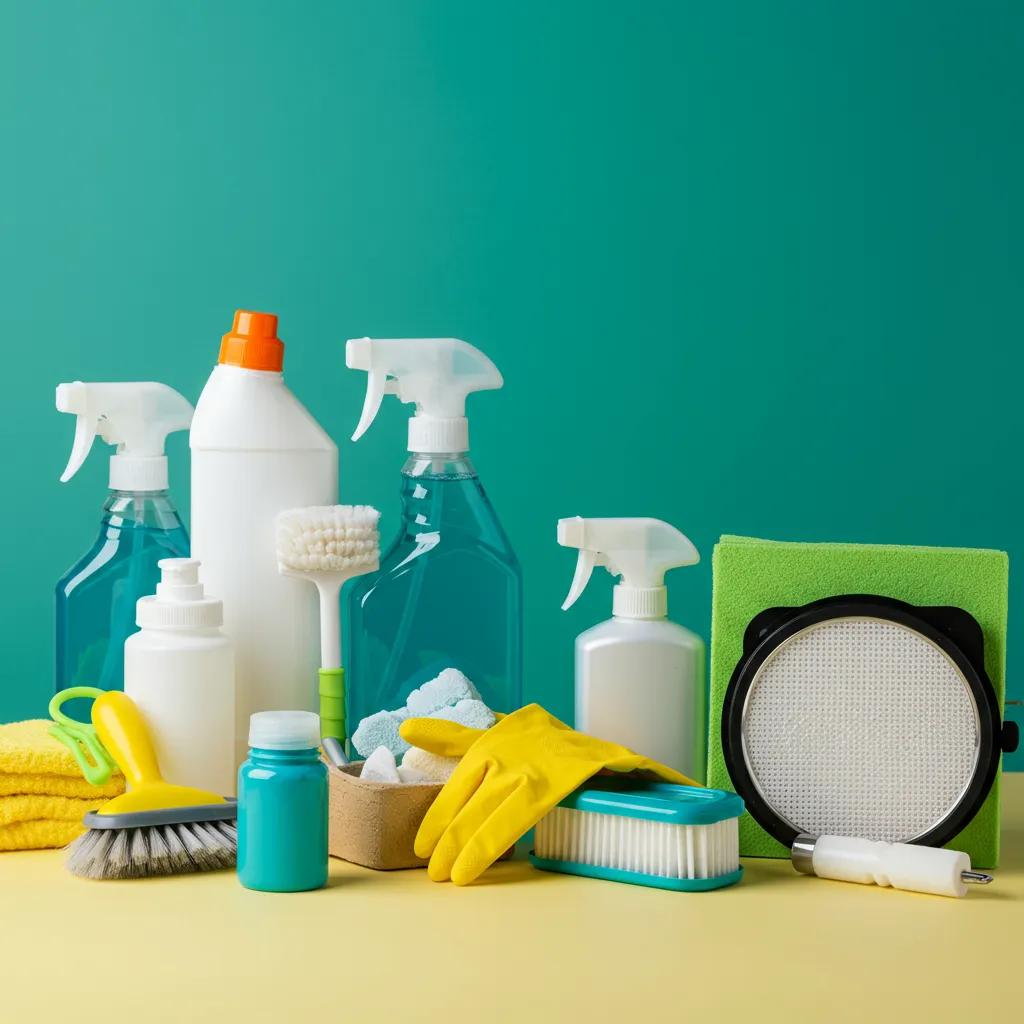
Green cleaning improves indoor air quality, reduces employee and occupant exposure to harsh chemicals, and strengthens your brand with tenants and customers who value sustainability; it also helps meet certain regulatory or procurement standards. Eco-friendly approaches include low-VOC and biodegradable products, HEPA filtration to capture fine particulates, and reduced chemical strategies that prioritize mechanical cleaning and targeted disinfection. Verification of green claims is important; look for transparent product lists, MSDS availability, and operational proof such as use of HEPA air systems and ATP meters to validate outcomes. The next paragraphs explain common green products and how certifications and practices influence service quality.
What Eco-Friendly Products and Methods Are Used in Sustainable Cleaning?
Sustainable cleaning relies on low-VOC detergents, biodegradable formulations, microfiber technologies that reduce chemical use, and air-cleaning strategies like HEPA filtration to lower particulate loads. These methods balance efficacy with reduced environmental and occupant impact, but they require trained staff and appropriate dwell times to be effective. Verification tips include requesting product names, MSDS sheets, and evidence of measured IAQ improvements after service. When combined with advanced tools, such as HEPA air systems for filtration and ATP meters for surface verification, eco-friendly methods can deliver both environmental benefits and verifiable cleanliness.
Integration note: M2 Cleaning Services exemplifies verifiable green practices by using HEPA air systems and ATP meters as part of their eco-friendly approach, illustrating the kinds of measurable tools businesses should request when assessing sustainable claims.
How Do Green Certifications and Sustainable Practices Influence Service Quality?
Recognized certifications and formal sustainability programs indicate process maturity and ongoing commitment, but certification alone is insufficient without operational proof of outcomes. Certified providers tend to have standardized procurement, training, and monitoring that reduce variability and demonstrate accountability. Operational changes required for sustainable cleaning—such as different dilution protocols, specialized equipment, and added QA checks—often translate into more consistent application and better occupant outcomes. Customers benefit through marketing differentiation, lower chemical exposure for staff and visitors, and potential reductions in absenteeism tied to improved indoor air quality.
What Pricing Factors and Value Should You Consider When Selecting a Commercial Cleaning Service?
Pricing models vary—hourly labor rates, per-square-foot pricing, and flat-rate packages—and each model bundles different items, so transparent quotes are essential for true comparison. Key pricing factors include whether supplies and equipment are included, how specialized services are priced, travel and setup fees, and contractual terms such as minimum engagement periods or cancellation policies. Evaluate long-term value by considering consistency, verified cleanliness (ATP readings, HEPA filtration outcomes), and the cost of potential downtime or rework from poor cleaning. The table below summarizes common pricing models and what they typically include to help you compare quotes apples-to-apples.
Before the pricing table, here are questions to ask vendors to clarify quotes:
- Does the quote include supplies, equipment amortization, and disposal fees?
- How are specialized services (e.g., mattress sanitation, deep carpet cleaning) priced?
- Are response and overtime rates included or itemized?
| Pricing Model | What it Typically Includes | When to Choose |
|---|---|---|
| Hourly Rate | Labor cost per hour; supplies may be extra | Irregular or small-scale services |
| Per Square Foot | Scales with facility size; may include basic supplies | Routine, stable-scope cleaning |
| Flat-Rate Package | Bundled services for set frequency | Predictable monthly budgeting; includes defined scope |
How Can Transparent Pricing Help You Compare Commercial Cleaning Quotes?
Transparent pricing lists labor, materials, frequency, specialized services, and any travel or setup fees so you can compare providers directly on the same scope. A complete quote will itemize frequency, exact tasks per visit, product inclusion, and escalation charges for unscheduled services. Use a checklist to ensure apples-to-apples comparisons: service frequency, included supplies, verification tools, and any exclusions. Transparent pricing enables you to calculate total cost of ownership rather than choosing solely on the lowest upfront price, and it supports negotiating service level agreements (SLAs) that lock in performance expectations.
Why Is Long-Term Value More Important Than Upfront Cost?
Long-term value captures reliability, reduced rework, extended asset life, and improved occupant health, which often outweighs marginally higher monthly fees. Consistent quality lowers indirect costs—fewer tenant complaints, less staff absenteeism, and delayed capital replacement for carpets and upholstery—while verifiable outcomes such as ATP meter records demonstrate measurable cleanliness. When evaluating ROI, include projected savings from reduced complaints, longer material life, and lower infection-related disruptions to operations. Insisting on SLAs and measurable KPIs aligns vendor incentives with your long-term value objectives and protects you from short-term cost-driven compromises.
- Consider total cost of ownership over 12–24 months rather than a single invoice.
- Insist on performance metrics and remediation timelines in contracts.
- Compare guarantees and escalation mechanisms to ensure predictable service recovery.
Summary and practical CTA: When a vendor demonstrates transparent pricing, measurable QA practices, and clear escalation paths, the incremental cost often delivers net operational savings. For businesses ready to take the next step, requesting a free estimate or booking a consultation with a reputable local provider can translate this assessment into a tailored plan. M2 Cleaning Services, an Ottawa-based company offering commercial cleaning packages and verifiable green practices, is one example of a local provider that presents tailored packages and measurable verification tools; consider requesting a free estimate or consultation to compare quotes and timelines for your facility.
Frequently Asked Questions
What should I consider when evaluating the environmental impact of a cleaning service?
When assessing the environmental impact of a cleaning service, consider their use of eco-friendly products, waste management practices, and energy-efficient equipment. Look for certifications that indicate sustainable practices, such as Green Seal or EcoLogo. Additionally, inquire about their approach to reducing chemical usage and their commitment to improving indoor air quality. A responsible cleaning service should provide transparency regarding their methods and the environmental benefits of their cleaning protocols, ensuring that they align with your sustainability goals.
How can I ensure the cleaning service is compliant with health regulations?
To ensure compliance with health regulations, request documentation of the cleaning service’s training programs, certifications, and adherence to industry standards. Verify that they follow guidelines set by organizations such as the Occupational Safety and Health Administration (OSHA) and the Centers for Disease Control and Prevention (CDC). Additionally, ask about their protocols for handling hazardous materials and their procedures for maintaining cleanliness in sensitive environments, such as healthcare facilities. Regular audits and inspections can also help confirm their compliance with health regulations.
What are the benefits of using a local commercial cleaning service?
Using a local commercial cleaning service offers several advantages, including personalized customer service, quicker response times, and a better understanding of local regulations and community standards. Local providers often have a vested interest in maintaining a positive reputation within the community, which can lead to higher quality service. Additionally, supporting local businesses contributes to the local economy and can reduce transportation-related environmental impacts. Engaging with a local service can also foster a more collaborative relationship, allowing for tailored solutions that meet your specific needs.
How can I assess the effectiveness of a cleaning service after hiring them?
To assess the effectiveness of a cleaning service, establish clear performance metrics and expectations from the outset. Regularly review the quality of their work through inspections, client feedback, and measurable outcomes, such as ATP readings for cleanliness. Schedule periodic evaluations to discuss performance and address any concerns. Additionally, maintain open communication with the service provider to ensure they are responsive to your needs and willing to make adjustments as necessary. Documenting these assessments can help you make informed decisions about continuing or changing your service provider.
What should I do if I am not satisfied with the cleaning service?
If you are not satisfied with the cleaning service, first communicate your concerns directly to the provider. Provide specific examples of the issues you have encountered and give them an opportunity to address them. Most reputable companies will appreciate the feedback and work to resolve the problems. If the issues persist, review your contract for any clauses related to service quality and termination. You may also consider seeking a different provider if the service does not meet your expectations after reasonable attempts to rectify the situation.
Are there any hidden costs I should be aware of when hiring a cleaning service?
Yes, there can be hidden costs when hiring a cleaning service. It’s essential to ask for a detailed breakdown of the pricing structure, including any additional fees for supplies, equipment, or specialized services. Inquire about travel costs, setup fees, and overtime charges. Ensure that the contract outlines all potential costs to avoid surprises later. Transparent pricing practices will help you understand the total cost of ownership and allow you to compare quotes effectively. Always clarify any uncertainties before signing a contract to ensure you are fully informed.
Conclusion
Choosing the right commercial cleaning service is essential for maintaining a healthy and productive environment, as it directly impacts employee well-being and customer satisfaction. By understanding key factors such as experience, credentials, and tailored services, businesses can make informed decisions that align with their specific needs. Take the next step towards a cleaner, safer workspace by requesting a free estimate or consultation with a trusted provider. Explore the options available to you today and ensure your facility is in expert hands.